Chaga is one of the most chemically complex and traditionally revered medicinal fungi in the world – and one of the most visually unusual. With over 200 identified bioactive compounds and a tradition of therapeutic use spanning more than a thousand years, Chaga offers a remarkable range of potential clinical applications. Here is a thorough look at what it is, how it works, and what the evidence currently supports.
What Is Chaga? Biology & Traditional Background
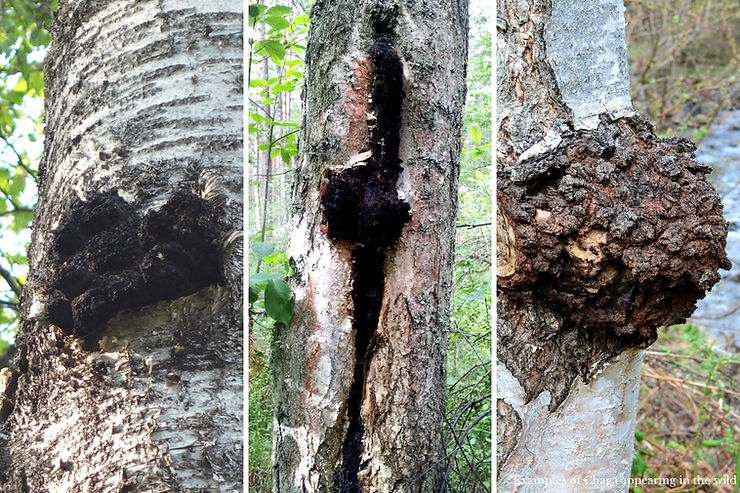
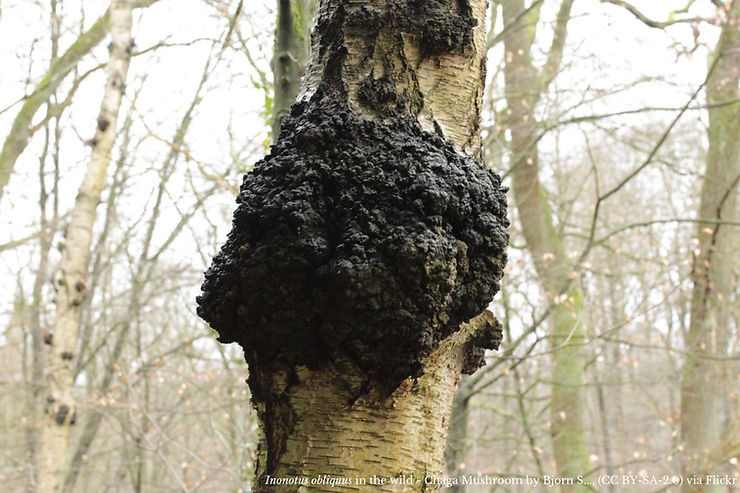
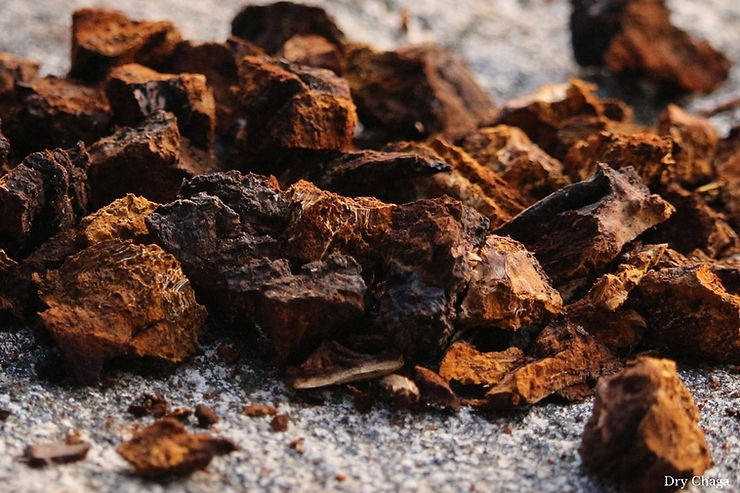
Chaga is the common name for the medicinal fungus Inonotus obliquus. This species is saprotrophic – feeding on tree wood across various possible hosts, with a strong preference for birch trees. Notably, Chaga is not a mushroom and looks vastly different from typical fungal fruiting bodies. It has the appearance of burnt charcoal protruding from the trunk of its host tree – one of the rare cases where fungal mycelium grows out of its substrate as a solid mass, forming a sclerotia. The fruiting body of this species is rarely witnessed, and only the sclerotia has a tradition of medicinal use.
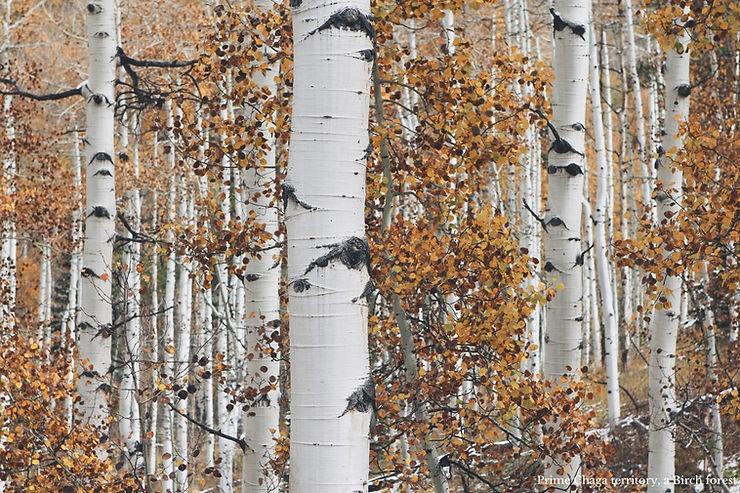
Chaga dwells primarily in birch forests of the far Northern latitudes (45-50 degrees N) [1], so the majority of its tradition of use comes from Russia, Northern Europe, and Asia. The complex biochemistry in Chaga is a direct response to the environmental stressors it has adapted to – cold, pathogens, and competition for nutrients with other microbial species [2]. Though it has likely been used for longer, the first documented medicinal use dates to Avicenna (circa 1000 CE) [3].
Chaga, traditionally harvested only from living trees, has historically been used for a wide range of health concerns including [4,5]:
- Gastritis, stomach upset, and gastrointestinal ulceration
- Cardiovascular diseases and hypertension
- Diabetes
- Periodontitis, dermatitis, and psoriasis
- Cancers – it is recorded that Russian Duke Vladimir Monomakh (circa 1100 CE) used Chaga to resolve his lip cancer [5]
- Cuts, abrasions, and wounds (topical application)
- Nasopharyngeal inflammation and impaired breathing (inhalant)
- General wellbeing and vitality
Chaga tea was also popular with Russian hunters and foresters for its ability to alleviate hunger, reduce fatigue, refresh the body, and improve work capacity [4] – likely the origins of Chaga being considered an adaptogen, alongside better-known adaptogens such as Rhodiola and Schisandra used for similar purposes. As we will see below, modern evidence supports much of this traditional use.
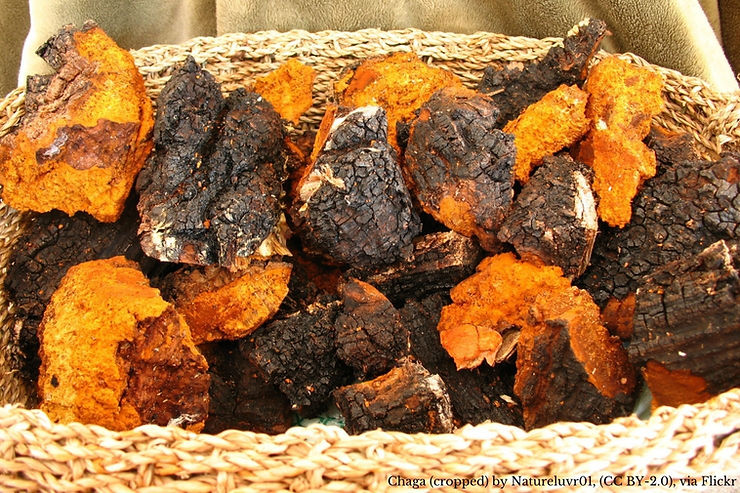
Chaga is not texturally edible. Traditional Russian folk practices accessed its health qualities via hot water extraction of crushed sclerotia, taken internally as a tea or syrup, or applied externally via bath [2,6].
Key Bioactive Compounds in Chaga
Like all fungi, Chaga contains special beta-glucan polysaccharides that give it a meaningful capacity to interact with and modulate immune system function. What makes Chaga distinctive, however, is the sheer breadth of its chemistry – more than 200 distinct bioactive compounds have been identified [6].
Melanin – the most visually obvious constituent, responsible for the characteristic black surface of the sclerotia. Fungal melanin has demonstrated antioxidant, probiotic, and hypoglycaemic properties [6].
Triterpenoids – Chaga contains many bioactive terpenes, including approximately 40 lanostane-type triterpenoids (such as inotodiol and chagabusone) found primarily in the softer interior of the sclerotia, and betulin-derived triterpenes drawn from the bark of birch trees and stored in the melanin-rich outer surface [7]. Unlike most medicinal fungi, the chemical content of Chaga is significantly influenced by both the species of host tree and its geographic location – French Chaga, for example, contains higher betulin and betulinic acid, while Canadian Chaga is higher in inotodiol content [7]. The medicinal properties of birch bark itself add further clinical interest to this chemical relationship.
Beta-glucan polysaccharides – as with all medicinal mushrooms, these contribute to immune modulation via complex mechanisms with broad downstream effects on health [3,6].
Chaga Mushroom Benefits – What the Evidence Shows
It is worth being transparent here: at the time of writing, there are no published human clinical trials on Chaga that I have been able to locate, and much of the older research has not been translated from Russian. This will almost certainly change as interest grows and experimental data continues to accumulate. What we do have is a substantial and growing body of preclinical evidence – animal studies and in vitro research – that supports and helps explain the traditional use record.
Immune Support and Anti-inflammatory Activity
The fungal polysaccharides and other components in Chaga promote immunological balance via complex mechanisms with broad downstream effects [3,6]. Part of this immune-supporting activity is a substantial anti-inflammatory effect, with evidence of antiallergic and antiasthmatic qualities – meaning Chaga may help dampen hyper-reactive immune responses.
Significant inhibition of histamine-induced macrophage activity has been observed with Chaga in mice [6,8]. Both Th2 and Th17 immune responses are modulated by lipophilic and lipophobic extracts – an effect likely dependent on the polysaccharide components. Notably, only lipophilic compounds such as inotodiol appear able to inhibit mast cells, suggesting that water extracts alone may be insufficient for supporting allergic responses [9].
Chaga also demonstrates antiviral [6,10,11] and antimicrobial activity [5], alongside probiotic qualities that support a healthy microbiota [12,13].
Anticancer Activity
Much of the scientific exploration of Chaga has been driven by its apparent anticancer properties. Older clinical data suggests benefit in stage III and IV cancer regardless of location, with reports that 3-4 weeks of administration allowed reduction or termination of narcotic pain medications in these patients [5]. This data has not been independently verified but has encouraged more rigorous mechanistic research.
More recent reviews report significant and promising direct antitumour activity across a variety of cancer cell types [3,6]. Inotodiol exhibits anti-migration and anti-invasion activity, inducing apoptosis in human cervical cancer cells [14]. Other aromatic compounds display cytotoxic activity against liver cancer cell lines [15]. Polysaccharides from Chaga induce apoptosis in various cancer cells and alter energy metabolism via AMPK signalling in vitro [16,17], with anti-metastatic effects also demonstrated in rodent melanoma cells [18].
In an animal study utilising two rat models of lung carcinoma, significant tumour-suppressive effects were observed with three weeks of daily intake at 6 mg/kg [19]. In tumour-bearing mice, a 60% reduction in tumour size was observed; in those with metastasis, a 25% decrease in the number of nodules was recorded, alongside increased tumour agglomeration, inhibition of vascularisation, and changes to body weight and temperature.
Antioxidant and Organ-Protective Activity
The antioxidant support offered by Chaga is substantial – driven primarily by its phenolic compounds – giving it a strong role in conditions linked to high oxidative stress, including cancers, cardiovascular disease, diabetes, metabolic disorders, and Alzheimer’s disease [2]. Analysis of Chaga’s triterpenes has revealed not only significant antioxidant capacity but also antimutagenic – gene-protective – effects [20].
Initial data also supports organ-specific protection:
- Liver – protection against hepatotoxic effects of certain drugs and pathogens [21,22]
- Gastrointestinal tract – anti-gastric ulcer activity demonstrated in rats [23]
- Brain – antioxidant and anti-Alzheimer’s activity in vitro [24,25]
- Kidney – reduction of renal fibrosis in mice [26]
- Pancreas – see diabetes section below
Diabetes and Blood Sugar Regulation
A particularly compelling area of Chaga research is its potential in diabetes and hyperglycaemia. Certain pentacyclic triterpenoids from Chaga exhibit potent alpha-glucosidase inhibition in vitro [27] – this intestinal enzyme releases glucose from complex sugars and starches, so blocking it reduces the rate and amount of sugar absorbed from meals.
This antidiabetic activity is supported further by experimental studies demonstrating modulation of plasma glucose, insulin, leptin, and related metabolic markers toward improved blood sugar management [28,29]. The organ-protective effects outlined above extend to diabetic complications specifically – repaired kidney tissue damage has been demonstrated in mouse models of diabetes, alongside alleviation of chronic pancreatitis in mice [30] and protection of pancreatic beta-cells [3,31].
Metabolic Health and Obesity
Related to metabolic health, Chaga appears to help regulate adipose tissue metabolism and differentiation [6], with amelioration of obesity demonstrated in rats fed a high-fat diet [32].
Physical Stamina and Adaptogenic Activity
Chaga is often described as an adaptogen, and while this classification warrants further study, polysaccharides from Chaga have been shown to improve physical endurance and reduce fatigue in mice [33] – consistent with its traditional use as a stamina and work capacity enhancer among Russian hunters and foresters.
Hair Loss
An intriguing traditional use from Mongolia suggests Chaga may protect against hair loss – a claim supported by pro-proliferative effects on hair growth via human follicle dermal papilla cells in vitro [34].
Safety, Quality and Chaga Dosage
Sourcing and Quality
Chaga is wildcrafted, and its chemical content can vary dramatically with growing conditions, host species, and whether the host tree is still living. Living trees likely provide a complex array of phytochemicals from their sap, which are digested and transformed by the Chaga. I recommend sourcing Chaga harvested from living birch trees specifically.
Extraction Method
Traditional extraction was hot water only. However, due to the complexity of the Chaga matrix, achieving adequate constituent extraction via water infusion requires very long extraction times, which can lead to degradation of compounds. While a water infusion is certainly medicinal, an ethanol/water dual extract produces a more comprehensive range of bioactive compounds and is preferable for clinical use [2].
Dosage
I recommend the equivalent of 3-6g of dry Chaga daily. Chaga appears to be very safe at therapeutic doses [5], however long-term use at high doses is not recommended due to its high oxalate content – oxalates can accumulate and cause tissue damage over time.
Who Is Chaga Best Suited For?
I recommend Chaga as a daily wellbeing tonic and in combination with other herbs and mushrooms for people with high oxidative stress driving their health conditions – particularly diabetes, cardiovascular disease, those at risk of dementia, organ damage, and cancer development. It is also likely to be helpful for asthma and allergy, psoriasis, and general immune support.
Frequently Asked Questions About Chaga
What is Chaga mushroom used for? Chaga has a long tradition of use for immune support, cancer prevention, diabetes, cardiovascular health, and general wellbeing. Preclinical research supports antioxidant, anti-inflammatory, antitumour, antidiabetic, and organ-protective activities across multiple body systems.
Does Chaga have human clinical trial evidence? At the time of writing, published human clinical trials on Chaga are limited, though older Russian clinical data exists and more rigorous trials are expected as research interest grows. The current evidence base is primarily preclinical – animal and in vitro studies – alongside a substantial traditional use record.
How do you take Chaga? Traditionally taken as a hot water extract or tea. For clinical use, a dual ethanol/water extract is preferable as it captures a broader range of bioactive compounds. A dose of 3-6g of dry Chaga equivalent daily is recommended.
Is Chaga safe to take long term? Chaga is considered safe at therapeutic doses. Long-term use at high doses is not recommended due to its oxalate content, which can accumulate over time. Those with a history of kidney stones or hyperoxaluria should exercise particular caution.
What makes Chaga different from other medicinal mushrooms? Chaga’s chemistry is unusually diverse – over 200 identified bioactive compounds – and is significantly influenced by its host tree and geographic origin. Its melanin content, birch-derived triterpenes, and substantial antioxidant activity set it apart from most other medicinal fungi.
Does Chaga need to be harvested from living trees? Yes – I recommend Chaga harvested from living birch trees specifically. Living trees provide phytochemicals via their sap that are digested and transformed by the Chaga, contributing to its chemical complexity and medicinal quality.
If you would like a more in-depth and clinically focussed take on this excellent medicinal fungus, see my Chaga Monograph.
Want to go deeper? My course Mastering Medicinal Mushrooms covers the complete clinical evidence base for Chaga and ten other key medicinal fungi – from biochemistry to practical prescribing guidance for practitioners and serious students alike.
Prefer a more personalised approach? I also offer one-on-one herbal medicine consultations for those looking for tailored clinical support.
References
[1] Hu H, Zhang Z, Lei Z, et al. Comparative study of antioxidant activity and antiproliferative effect of hot water and ethanol extracts from the mushroom Inonotus obliquus. J Biosci Bioeng. 2009 Jan;107(1):42-8.
[2] Hwang AY, Yang SC, Kim J, et al. Effects of non-traditional extraction methods on extracting bioactive compounds from chaga mushroom (Inonotus obliquus) compared with hot water extraction. LWT. 2019 Aug 1;110:80-4.
[3] Balandaykin ME, Zmitrovich IV. Review on Chaga Medicinal Mushroom, Inonotus obliquus (Higher Basidiomycetes): Realm of Medicinal Applications and Approaches on Estimating its Resource Potential. Int J Med Mushrooms. 2015;17(2):95-104.
[4] Shashkina MY, Shashkin PN, Sergeev AV. Chemical and medicobiological properties of chaga. Pharmaceutical Chemistry Journal. 2006 Oct 1;40(10):560-8.
[5] Shikov AN, Pozharitskaya ON, Makarov VG, et al. Medicinal plants of the Russian Pharmacopoeia; their history and applications. J Ethnopharmacol. 2014 Jul 3;154(3):481-536.
[6] Duru KC, Kovaleva EG, Danilova IG, et al. The pharmacological potential and possible molecular mechanisms of action of Inonotus obliquus from preclinical studies. Phytother Res. 2019 Aug;33(8):1966-1980.
[7] Géry A, Dubreule C, André V, Rioet al. Chaga (Inonotus obliquus), a Future Potential Medicinal Fungus in Oncology? A Chemical Study and a Comparison of the Cytotoxicity Against Human Lung Adenocarcinoma Cells (A549) and Human Bronchial Epithelial Cells (BEAS-2B). Integr Cancer Ther. 2018 Sep;17(3):832-843.
[8] Javed S, Mitchell K, Sidsworth D, et al. Inonotus obliquus attenuates histamine-induced microvascular inflammation. PLoS One. 2019 Aug 22;14(8):e0220776.
[9] Nguyet TMN, Lomunova M, Le BV, et al. The mast cell stabilizing activity of Chaga mushroom critical for its therapeutic effect on food allergy is derived from inotodiol. Int Immunopharmacol. 2018 Jan;54:286-295.
[10] Seo DJ, Choi C. Inhibition of murine norovirus and feline calicivirus by edible herbal extracts. Food and environmental virology. 2017 Mar 1;9(1):35-44.
[11] Tian J, Hu X, Liu D, et al. Identification of Inonotus obliquus polysaccharide with broad-spectrum antiviral activity against multi-feline viruses. Int J Biol Macromol. 2017 Feb;95:160-167.
[12] Burmasova MA, Utebaeva AA, Sysoeva EV, et al. Melanins of Inonotus Obliquus: Bifidogenic and Antioxidant Properties. Biomolecules. 2019 Jun 24;9(6):248.
[13] Hu Y, Teng C, Yu S, et al. Inonotus obliquus polysaccharide regulates gut microbiota of chronic pancreatitis in mice. AMB Express. 2017 Dec;7(1):39.
[14] Zhang SD, Yu L, Wang P, et al. Inotodiol inhibits cells migration and invasion and induces apoptosis via p53-dependent pathway in HeLa cells. Phytomedicine. 2019 Jul;60:152957.
[15] Zou CX, Zhang YY, Bai M, et al. Aromatic compounds from the sclerotia of Inonotus obliquus. Nat Prod Res. 2019 Oct 15:1-4.
[16] Jiang S, Shi F, Lin H, et al. Inonotus obliquus polysaccharides induces apoptosis of lung cancer cells and alters energy metabolism via the LKB1/AMPK axis. Int J Biol Macromol. 2020 May 15;151:1277-1286.
[17] Tsai CC, Li YS, Lin PP. Inonotus obliquus extract induces apoptosis in the human colorectal carcinoma’s HCT-116 cell line. Biomed Pharmacother. 2017 Dec;96:1119-1126.
[18] Lee KR, Lee JS, Lee S, et al. Polysaccharide isolated from the liquid culture broth of Inonotus obliquus suppresses invasion of B16-F10 melanoma cells via AKT/NF-κB signaling pathway. Mol Med Rep. 2016 Nov;14(5):4429-4435.
[19] Arata S, Watanabe J, Maeda M, et al. Continuous intake of the Chaga mushroom (Inonotus obliquus) aqueous extract suppresses cancer progression and maintains body temperature in mice. Heliyon. 2016 May 12;2(5):e00111.
[20] Ham SS, Kim SH, Moon SY, et al. Antimutagenic effects of subfractions of Chaga mushroom (Inonotus obliquus) extract. Mutat Res. 2009 Jan;672(1):55-9.
[21] Li Z, Mei J, Jiang L, et al. Chaga Medicinal Mushroom, Inonotus obliquus (Agaricomycetes) Polysaccharides Suppress Tacrine-induced Apoptosis by ROS-scavenging and Mitochondrial Pathway in HepG2 Cells. Int J Med Mushrooms. 2019;21(6):583-593.
[22] Xu L, Sang R, Yu Y, et al. The polysaccharide from Inonotus obliquus protects mice from Toxoplasma gondii-induced liver injury. Int J Biol Macromol. 2019 Mar 15;125:1-8.
[23] Xin X, Qu J, Veeraraghavan VP, et al. Assessment of the Gastroprotective Effect of the Chaga Medicinal Mushroom, Inonotus obliquus (Agaricomycetes), Against the Gastric Mucosal Ulceration Induced by Ethanol in Experimental Rats. Int J Med Mushrooms. 2019;21(8):805-816.
[24] Zou CX, Hou ZL, Bai M, et al. Highly modified steroids from Inonotus obliquus. Org Biomol Chem. 2020 May 27;18(20):3908-3916.
[25] Han Y, Nan S, Fan J, et al. Inonotus obliquus polysaccharides protect against Alzheimer’s disease by regulating Nrf2 signaling and exerting antioxidative and antiapoptotic effects. Int J Biol Macromol. 2019 Jun 15;131:769-778.
[26] Chou YJ, Kan WC, Chang CM, et al. Renal Protective Effects of Low Molecular Weight of Inonotus obliquus Polysaccharide (LIOP) on HFD/STZ-Induced Nephropathy in Mice. Int J Mol Sci. 2016 Sep 13;17(9):1535.
[27] Ying YM, Yu HF, Tong CP, et al. Spiroinonotsuoxotriols A and B, Two Highly Rearranged Triterpenoids from Inonotus obliquus. Org Lett. 2020 May 1;22(9):3377-3380.
[28] Wang C, Li W, Chen Z, et al. Effects of simulated gastrointestinal digestion in vitro on the chemical properties, antioxidant activity, α-amylase and α-glucosidase inhibitory activity of polysaccharides from Inonotus obliquus. Food Res Int. 2018 Jan;103:280-288.
[29] Wang J, Hu W, Li L, et al. Antidiabetic activities of polysaccharides separated from Inonotus obliquus via the modulation of oxidative stress in mice with streptozotocin-induced diabetes. PLoS One. 2017 Jun 29;12(6):e0180476.
[30] Hu Y, Sheng Y, Yu M, et al. Antioxidant activity of Inonotus obliquus polysaccharide and its amelioration for chronic pancreatitis in mice. Int J Biol Macromol. 2016 Jun;87:348-56.
[31] Sim YC, Lee JS, Lee S, et al. Effects of polysaccharides isolated from Inonotus obliquus against hydrogen peroxide-induced oxidative damage in RINm5F pancreatic β-cells. Mol Med Rep. 2016 Nov;14(5):4263-4270.
[32] Wu T, Shu Q, Yang K, et al. Ameliorating effects of Inonotus obliquus on high fat diet-induced obese rats. Acta Biochim Biophys Sin (Shanghai). 2015 Sep;47(9):755-7.
[33] Zhang CJ, Guo JY, Cheng H, Li L, Liu Y, Shi Y, Xu J, Yu HT. Spatial structure and anti-fatigue of polysaccharide from Inonotus obliquus. Int J Biol Macromol. 2020 May 15;151:855-860.
[34] Sagayama K, Tanaka N, Fukumoto T, et al. Lanostane-type triterpenes from the sclerotium of Inonotus obliquus (Chaga mushrooms) as proproliferative agents on human follicle dermal papilla cells. J Nat Med. 2019 Jun;73(3):597-601.