Lion’s Mane is one of the most clinically compelling medicinal mushrooms in current research — and one of the most visually unmistakable. With a growing body of human trial evidence centred on neurological health, cognitive function, and mood, Hericium erinaceus has earned its place as a serious clinical tool. Here’s a thorough look at what it is, how it works, and what the evidence actually supports.
What Is Lion’s Mane? Biology & Traditional Background
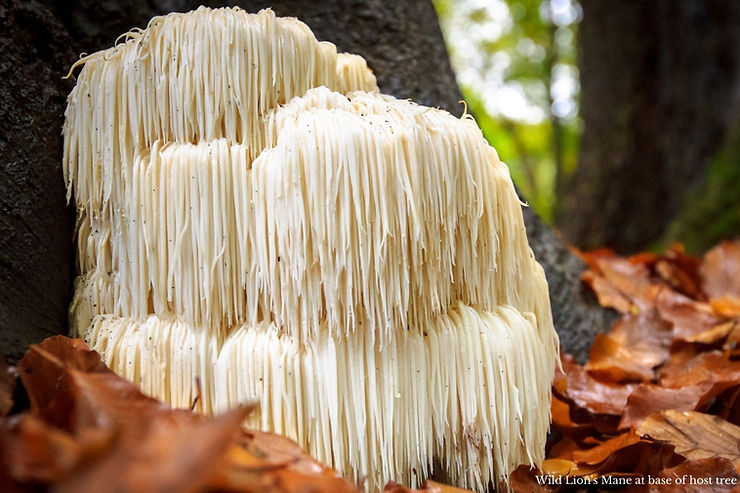
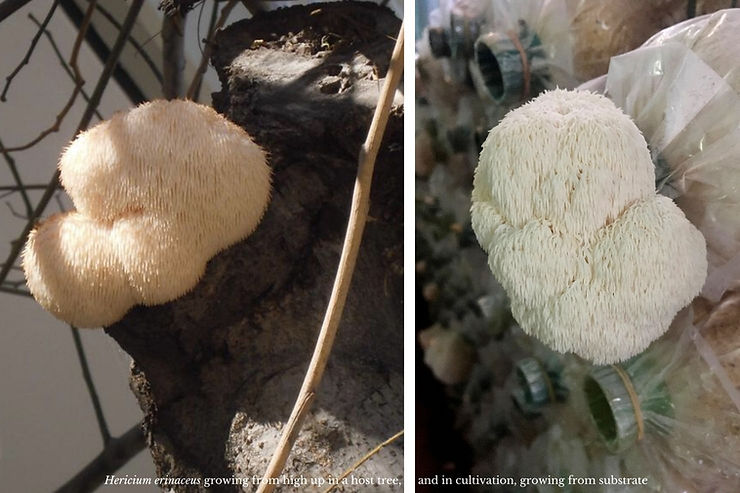
Lion’s Mane, Hericium erinaceus, is a saprotrophic fungus — feeding on the wood of certain dead or decaying trees [1]. There are many species in the Hericium genus, some still being discovered across the world. All are considered rare in nature but are instantly recognisable thanks to the striking white, beard-like formation of the fruiting body — and all members appear comparably useful medicinally [2].
Hericium species are both a prized culinary ingredient — with a lobster-like texture, a delicate veal or chicken-like flavour, and a faintly fruity aroma reminiscent of coconut and lemongrass — and a powerful health ally.
The distinctive icicle-like morphology has inspired many names: bearded tooth, satyr’s beard, bearded hedgehog, bear’s head, and pom-pom mushroom. Hericium is itself Latin for hedgehog. In Chinese it is hóu tóu gū (monkey head mushroom), in Japanese yamabushitake (mountain priest mushroom), and in Korean norugongdengi-beoseot (deertail mushroom).
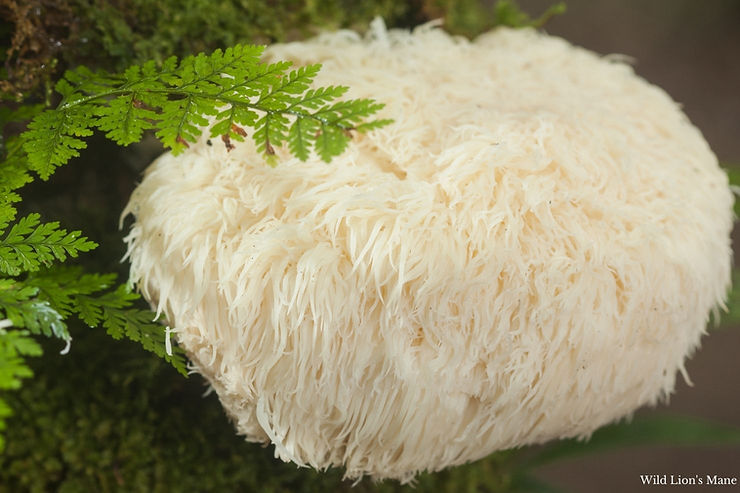
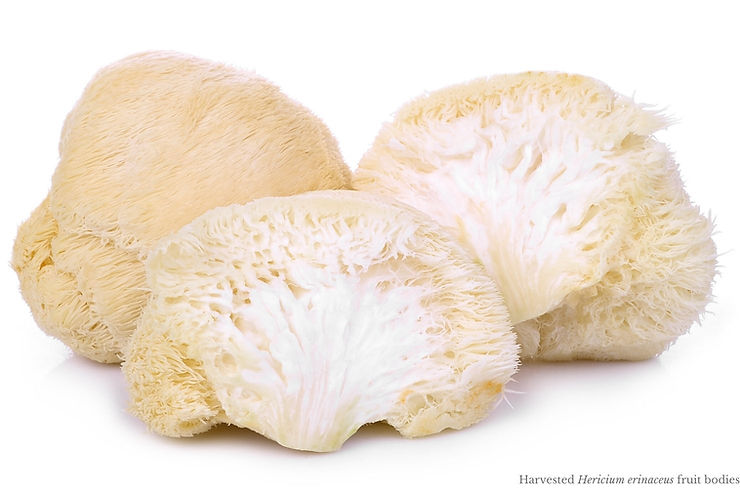
Traditional medicinal applications from East Asian traditions centred on chronic gastritis, gastric ulceration, and cancers of the oesophagus and stomach, as well as leukaemia. Lion’s Mane was also valued for neurasthenia and general debility, as an antiseptic, immunostimulant, growth stimulant, and vulnerary. Interestingly, when dissected, Lion’s Mane is visually reminiscent of a brain — a fitting coincidence, given that contemporary clinical focus has landed squarely on neurological health.
Key Bioactive Compounds in Lion’s Mane
Like all medicinal mushrooms, Lion’s Mane communicates beneficial and highly specific immunological messages via its array of complex polysaccharides — present in higher concentrations in the fruiting body than in the mycelium [3].
Beyond polysaccharides, Lion’s Mane contains a range of unique bioactive compounds still being elucidated. These fall into two primary categories:
Hericenones — produced exclusively in the fruiting body. Eleven hericenones (A–K) have been identified to date, many of which stimulate nerve growth factor (NGF) production. Erinacine A and B, also NGF-promoting, are likewise found in the fruiting body [4].
Erinacines — the mycelium does not contain hericenones but does contain a significantly broader range of erinacines (15 identified to date: A–K, P–S), making Lion’s Mane an unusual case where incorporating mycelial extract alongside fruiting body is genuinely warranted [5, 4]. Current evidence indicates that erinacines cross the blood-brain barrier for direct interaction with the central nervous system, with other constituents also suspected to share this capacity [6].
Lion’s Mane Mushroom Benefits — The Clinical Evidence
Cognitive Function and Dementia
The neurotrophic and neuroprotective activity of Lion’s Mane has driven significant research interest in neurological disorders. The clinical evidence is compelling.
An early pilot study from the 2000s followed seven adults with mild dementia who ingested 5g of fruiting body daily as part of their diet [10]. After six months, all but one participant showed improved scores for functional capacity — understanding, communication, and memory — and all participants demonstrated improved functional independence in daily activities including eating, dressing, and walking. Notably, three bedridden patients were able to get up for meals during the intervention. Although small and uncontrolled, the study set the stage for more rigorous investigation.
Two subsequent high-quality studies examined 3g of fruiting body daily for the prevention and alleviation of cognitive impairment. Both found significant improvements in cognitive function in adults over 50 — one in a healthy population over three months [11], and one in a mildly cognitively impaired population over four months [12]. In the latter study, improvements reached statistical significance after just two months. Crucially, cognitive function scores declined again after Lion’s Mane was discontinued — suggesting that while acute improvements are achievable, chronic use is required for sustained neurological benefit. Like the effects of a healthy diet: consistency is the key.
A more recent high-quality pilot study investigated an erinacine A-enriched mycelium extract of H. erinaceus in patients with mild Alzheimer’s Disease [13]. This nearly year-long intervention led the authors to conclude that Lion’s Mane confers meaningful protective neurocognitive benefits in mild AD — a significant finding, given the limited therapeutic options currently available.
Depression, Anxiety & Sleep
The evidence for Lion’s Mane in mood and mental health is emerging and genuinely interesting.
A pilot study reported improved symptoms in ten subjects with refractory schizophrenia — disease unresponsive to antipsychotic medication — following treatment with a standardised fruiting body extract [14]. The same author reported a case study of an 86-year-old male with recurrent depressive disorder who experienced remarkable neurocognitive improvements over six months on the same extract [15].
A subsequent pilot study successfully alleviated symptoms of depression and anxiety and improved sleep quality in a cohort of otherwise healthy students [16]. These results were later verified in a study of 77 overweight and obese adults using a mixed mycelium and fruiting body extract at 3.6g daily for two months [17], with the authors proposing that modulation of BDNF signalling may play a role.
A randomised double-blind placebo-controlled trial of thirty menopausal women found that 2g of fruiting body daily in the diet produced significant reductions in depression scores and indefinite complaints index — though not sleep quality or menopausal indices [18]. It is possible that the 2g dose was insufficient to affect sleep quality compared to the study that used 3.6g successfully, though sleep is governed by complex mechanisms and the underlying health status of the cohort may also have been a factor. It should be noted that while Lion’s Mane is sometimes casually presented as useful for menopausal symptoms, there is currently no evidence I am aware of that supports this indication specifically.
Peripheral Neuropathy and Nerve Regeneration
A 1990s study of 250 subjects with diabetic polyneuropathy found that six months of recombinant human NGF significantly improved nerve function [8]. While direct human evidence for Lion’s Mane in this context is not yet available, preclinical data is promising — including a rat study clearly demonstrating that Lion’s Mane promotes peripheral nerve regeneration following nerve injury [9]. Given the NGF-promoting activity of both hericenones and erinacines, this is a clinically logical application that warrants ongoing attention.
Gastrointestinal and Mucosal Health
Returning to traditional use, one of the primary applications for Lion’s Mane in East Asian medicine was the treatment of stomach cancers and inflammatory conditions of the gastrointestinal mucous membranes. While human trial evidence in this area is not yet available, NGF production — a hallmark of Lion’s Mane’s activity — is known to support improved wound healing [24], directly relevant to healing mucosal ulceration. In vitro analysis of precancerous human gastric cells treated with Lion’s Mane polysaccharides found induction of apoptosis [23] — a finding that warrants further clinical investigation.
NGF-related mechanisms extend beyond the gastrointestinal tract, with evidence of effectiveness in corneal ulceration, glaucoma, and other ocular diseases [7].
Antitumour Activity
Beyond neuroprotective and anti-inflammatory activity, erinacine A and related cyathane diterpenes display significant antitumour effects in animal studies, acting via direct modulation of the actin cytoskeleton — a filamentous intracellular structure with critical roles in cellular function. Cancer cells can exploit actin dynamics to resist NK cell cytotoxicity [21]. Erinacine A and related compounds disrupt the actin cytoskeleton in tumour cells, rendering them vulnerable to immune attack [22]. The full anticancer potential of Lion’s Mane is beyond the scope of this overview but represents an active and promising area of preclinical investigation.
Metabolic Health
Preclinical research suggests a meaningful capacity to regulate metabolic activity, with animal studies demonstrating improved body composition and fat and cholesterol metabolism in models of metabolic syndrome and obesity [25, 26] — an area worthy of future human trial investigation.
Fruiting Body vs Mycelium — A Special Case for Lion’s Mane
In most medicinal mushrooms, I recommend fruiting body extracts over mycelium — traditional use is based on the fruiting body, and the evidence generally supports this preference. Lion’s Mane is a notable exception.
Research has demonstrated that specific erinacines found in the mycelium are not present in the fruiting body, and vice versa. Given that both hericenones (fruiting body) and erinacines (mycelium) contribute to NGF promotion and broader neurological activity, a combined fruiting body and mycelium extract makes clinical sense specifically for Lion’s Mane — and is reflected in several of the positive human studies discussed above.
Lion’s Mane Dosage Guidelines
Studies support 3–5g per day for neurological applications as discussed above. The Chinese Pharmacopoeia recommends 25–50g daily [27] — a substantially higher dose, likely relevant to the traditional application for gastric mucosal healing. While this dose does not appear necessary for neurological effects, it speaks to the excellent safety profile of Lion’s Mane at high intake, supported by modern research [28, 29].
I recommend Lion’s Mane particularly for:
- Neurological degeneration and chronic neuroinflammation
- Cognitive decline and early dementia
- Depression, anxiety, and sleep disturbance
- Peripheral neuropathy
- Multiple sclerosis
- Poor mucous membrane integrity or gastrointestinal ulceration
- Conditions where impaired immunological signalling impacts neurological, metabolic, or gastric health
Frequently Asked Questions About Lion’s Mane
What is Lion’s Mane mushroom good for? Lion’s Mane has the strongest evidence base for cognitive function and neurological health, with human trials supporting its use in cognitive impairment, mild Alzheimer’s Disease, depression, and anxiety. Traditional use also supports gastrointestinal mucosal healing and immune support.
How much Lion’s Mane should I take per day? Human trials supporting neurological benefits have used 2–5g of fruiting body daily. A combined fruiting body and mycelium extract is preferable for neurological applications, at a similar total dose.
Should I take Lion’s Mane fruiting body or mycelium? Unlike most medicinal mushrooms, Lion’s Mane warrants a combined approach. The fruiting body contains hericenones; the mycelium contains a broader range of erinacines. Both contribute to NGF promotion and neurological benefit. Look for products that include both.
How long does Lion’s Mane take to work? Human trials have shown measurable cognitive improvements within two to three months of consistent daily use. Effects appear to diminish when supplementation is stopped, suggesting chronic use is required for sustained benefit.
Is Lion’s Mane safe to take long term? Yes — Lion’s Mane has a strong traditional safety record and modern research supports its safety at doses well above those used in clinical trials [28, 29]. Mild gastrointestinal effects are occasionally reported at higher doses.
Can Lion’s Mane help with depression? Several human studies suggest Lion’s Mane may alleviate symptoms of depression and anxiety. Effects are thought to be related to NGF promotion and potential modulation of BDNF signalling, though more research is needed to confirm these mechanisms in clinical populations.
If you would like a more in-depth and clinically-focussed take on this miraculous monkey-head of a mushroom, see my Lion’s Mane Monograph.
Want to go deeper? My course Mastering Medicinal Mushrooms covers the complete clinical evidence base for Lion’s Mane and ten other key medicinal fungi — from biochemistry to practical prescribing guidance for practitioners and serious students alike.
Prefer a more personalised approach? I also offer one-on-one herbal medicine consultations for those looking for tailored clinical support.
References
[1] Mori K, Obara Y, Hirota M, et al. Nerve growth factor-inducing activity of Hericium erinaceus in 1321N1 human astrocytoma cells. Biol Pharm Bull. 2008 Sep;31(9):1727-32.
[2] Hallenberg, N., Nilsson, R. H., & Robledo, G. Species complexes in Hericium (Russulales, Agaricomycota) and a new species – Hericium rajchenbergii – from southern South America. Mycological Progress. 2012;12(2), 413–420.
[3] He X, Wang X, Fang J, et al. Structures, biological activities, and industrial applications of the polysaccharides from Hericium erinaceus (Lion’s Mane) mushroom: A review. Int J Biol Macromol. 2017 Apr;97:228-237.
[4] Chong PS, Fung ML, Wong KH, et al. Therapeutic Potential of Hericium erinaceus for Depressive Disorder. Int J Mol Sci. 2019 Dec 25;21(1). pii: E163.
[5] Li IC, Lee LY, Tzeng TT, et al. Neurohealth Properties of Hericium erinaceus Mycelia Enriched with Erinacines. Behav Neurol. 2018 May 21;2018:5802634.
[6] Limanaqi F, Biagioni F, Busceti CL, et al. Potential Antidepressant Effects of Scutellaria baicalensis, Hericium erinaceus and Rhodiola rosea. Antioxidants. 2020 Mar;9(234).
[7] Rocco ML, Soligo M, Manni L, Aloe L. Nerve Growth Factor: Early Studies and Recent Clinical Trials. Curr Neuropharmacol. 2018;16(10):1455-1465.
[8] Apfel SC, Kessler JA, Adornato BT, et al. Recombinant human nerve growth factor in the treatment of diabetic polyneuropathy. NGF Study Group. Neurology. 1998 Sep;51(3):695-702.
[9] Wong KH, Kanagasabapathy G, Naidu M, et al. Hericium erinaceus (Bull.: Fr.) Pers., a medicinal mushroom, activates peripheral nerve regeneration. Chin J Integr Med. 2016 Oct;22(10):759-67.
[10] Kawagishi H, Zhuang C, Shnidman E. The anti-Dementia effect of Lion’s Mane mushroom and its clinical application. Townsend Letter for Doctors and Patients, 2004.
[11] Saitsu Y, Nishide A, Kikushima K, et al. Improvement of cognitive functions by oral intake of Hericium erinaceus. Biomed Res. 2019;40(4):125-131.
[12] Mori K, Inatomi S, Ouchi K, et al. Improving effects of the mushroom Yamabushitake (Hericium erinaceus) on mild cognitive impairment: a double-blind placebo-controlled clinical trial. Phytother Res. 2009 Mar;23(3):367-72.
[13] Li IC, Chang HH, Lin CH, et al. Prevention of Early Alzheimer’s Disease by Erinacine A-Enriched Hericium erinaceus Mycelia Pilot Double-Blind Placebo-Controlled Study. Front Aging Neurosci. 2020 Jun 3;12:155.
[14] Inananga K, Matsuki T, Hoaki Y, et al. Improvement of refractory schizophrenia on using Amyloban®3399 extracted from Hericium erinaceum. Pers Med Universe. 2014;3:49–53.
[15] Inanaga, K. Marked improvement of neurocognitive impairment after treatment with compounds from Hericium erinaceum: A case study of recurrent depressive disorder. Pers Med Universe. 2014;3:46–48.
[16] Okamura H, Anno N, Tsuda A, et al. The effects of Hericium erinaceus (Amyloban® 3399) on sleep quality and subjective well-being among female undergraduate students: a pilot study. Personalized Medicine Universe. 2015 Jul 1;4:76-8.
[17] Vigna L, Morelli F, Agnelli GM, et al. Hericium erinaceus Improves Mood and Sleep Disorders in Patients Affected by Overweight or Obesity: Could Circulating Pro-BDNF and BDNF Be Potential Biomarkers? Evid Based Complement Alternat Med. 2019 Apr 18;2019:7861297.
[18] Nagano M, Shimizu K, Kondo R, et al. Reduction of depression and anxiety by 4 weeks Hericium erinaceus intake. Biomed Res. 2010 Aug;31(4):231-7.
[19] Chiu CH, Chyau CC, Chen CC, et al. Erinacine A-Enriched Hericium Erinaceus Mycelium Produces Antidepressant-Like Effects Through Modulating BDNF/PI3K/Akt/GSK-3β Signaling in Mice. Int J Mol Sci. 2018 Jan 24;19(2):341.
[20] Lee KF, Tung SY, Teng CC, et al. Post-Treatment with Erinacine A, a Derived Diterpenoid of H. erinaceus, Attenuates Neurotoxicity in MPTP Model of Parkinson’s Disease. Antioxidants (Basel). 2020 Feb 4;9(2):137.
[21] Al Absi A, Wurzer H, Guerin C, et al. Actin Cytoskeleton Remodeling Drives Breast Cancer Cell Escape from Natural Killer-Mediated Cytotoxicity. Cancer Res. 2018 Oct 1;78(19):5631-5643.
[22] Bailly C, Gao JM. Erinacine A and related cyathane diterpenoids: Molecular diversity and mechanisms underlying their neuroprotection and anticancer activities. Pharmacol Res. 2020 Sep;159:104953.
[23] Wang M, Zhang Y, Xiao X, et al. A Polysaccharide Isolated from Mycelia of the Lion’s Mane Medicinal Mushroom Hericium erinaceus (Agaricomycetes) Induced Apoptosis in Precancerous Human Gastric Cells. Int J Med Mushrooms. 2017;19(12):1053-1060.
[24] Abdulla MA, Fard AA, Sabaratnam V, et al. Potential activity of aqueous extract of culinary-medicinal Lion’s Mane mushroom, Hericium erinaceus (Bull.: Fr.) Pers. (Aphyllophoromycetideae) in accelerating wound healing in rats. Int J Med Mushr. 2011 Jan;13(1):33-9.
[25] Hiraki E, Furuta S, Kuwahara R, et al. Anti-obesity activity of Yamabushitake (Hericium erinaceus) powder in ovariectomized mice, and its potentially active compounds. J Nat Med. 2017 Jul;71(3):482-491.
[26] Tsai YC, Lin YC2, Huang CC, et al. Hericium erinaceus Mycelium and Its Isolated Compound, Erinacine A, Ameliorate High-Fat High-Sucrose Diet-Induced Metabolic Dysfunction and Spatial Learning Deficits in Aging Mice. J Med Food. 2019 May;22(5):469-478.
[27] Chinese Pharmacopoeia, 2010. Beijing: Chinese Medicine Science and Technology Publishing House
[28] Li W, Zhou W, Lee DS, et al. Hericirine, a novel anti-inflammatory alkaloid from Hericium erinaceum. Tetrahedron letters. 2014 Jul 23;55(30):4086-90.
[29] Lee LY, Li IC, Chen WP, et al. Thirteen-Week Oral Toxicity Evaluation of Erinacine A-Enriched Lion’s Mane Medicinal Mushroom, Hericium erinaceus (Agaricomycetes), Mycelia in Sprague-Dawley Rats. Int J Med Mushrooms. 2019;21(4):401-411.