Maitake is the “dancing mushroom” – named for the celebration that would traditionally erupt upon finding one in the forest, when specimens were once worth their weight in silver. That reverence was well-founded. Grifola frondosa is one of the most chemically complex and clinically promising medicinal mushrooms available, with a growing body of research supporting its applications in immune function, cancer support, blood sugar regulation, and metabolic health. Here is a thorough clinical overview.
What Is Maitake? Biology & Traditional Background
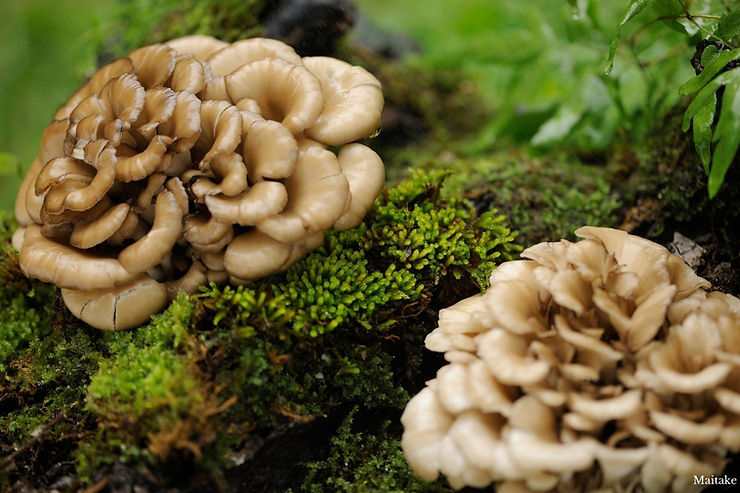
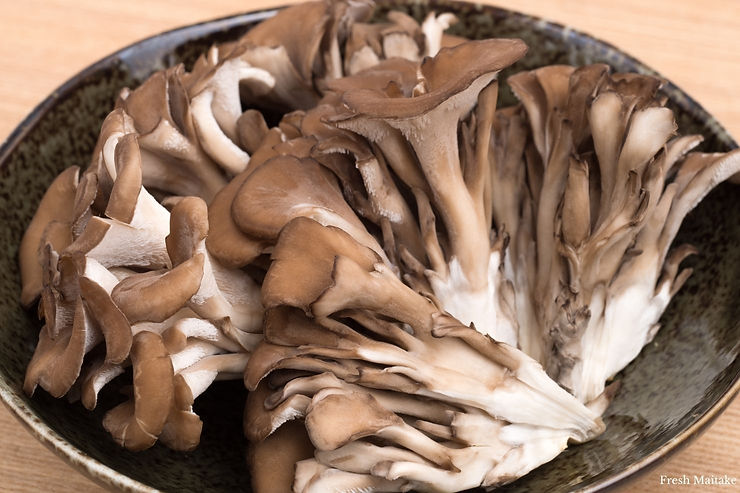
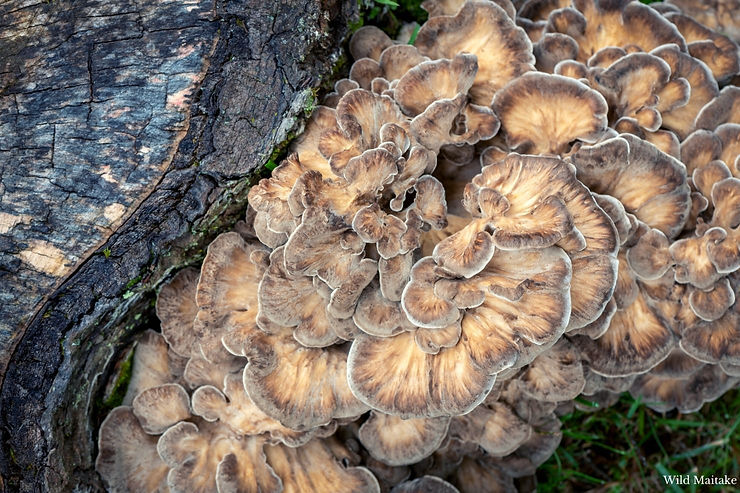
Maitake (Grifola frondosa) is a widespread edible fungus of the Northern Hemisphere, known by several names around the world. In English it is called hen of the woods – distinct from chicken of the woods, which is an entirely different species. The Chinese name translates to “grey tree flower” – a fitting descriptor for the elegant rosette-like clusters this polypore produces at the base of dead and dying hardwoods including oaks, elms, maples, and chestnuts, often returning perennially to the same site [1].
Most telling of all its names is Maitake itself – the Japanese name, literally meaning “dancing mushroom.” The name reflects the celebration that would traditionally ensue upon finding a specimen, for Maitake were once worth their weight in silver. Its powerful medicinal properties have clearly been treasured for a very long time.
Traditional use in Asia is documented as far back as the Han Dynasty (206-210 CE) in the Shen Nong Ben Cao Jing (Divine Farmer’s Classic of Materia Medica), where Maitake was utilised to boost Qi, calm the mind and nerves, and improve the health of the spleen, stomach, liver, and lungs [1].
Key Bioactive Compounds in Maitake
Maitake contains a broad range of chemical constituents with potential clinical value – including coumarins, terpene lactones, flavonoids, organic acids, alkaloids, steroids, and triterpenes. However, most research to date has focused on the polysaccharide components, and it is hoped that future investigation will reveal more about the broader chemistry – as has occurred with Lion’s Mane, Reishi, and to a lesser extent Cordyceps [1].
Maitake produces a remarkably complex array of pure and protein-bound polysaccharides, predominantly composed of glucose but also containing galactose, mannose, fucose, trehalose, and ribose [1]. Some of these are unique to Maitake [2].
The main biologically active constituent – identified by Japanese researchers in 1955 – is Grifola frondosa polysaccharide (GFP), also referred to as the D-fraction. It is a protein-bound polysaccharide consisting of several types of beta-glucans found in both fruiting bodies and mycelia [3,4]. To date at least 47 bioactive polysaccharides have been identified in Maitake, with various fractions isolated for research and clinical application – including MD-fraction, MZ-fraction, SX-fraction, and Grifolans.
Maitake Mushroom Benefits – The Clinical Evidence
Cancer Support and Immune Enhancement
Research highlights significant potential for Maitake to offer immunological support in cancer contexts. A review of extensive Chinese literature – much of which has not been translated into English – indicates that Maitake’s polysaccharides may have superior anti-tumour activity compared to Reishi, Shiitake, and Turkey Tail [4].
GFP enhances both innate and adaptive immunity. Rather than directly killing tumour cells, GFP works by boosting the immune system’s own capacity to inhibit tumour growth, prevent metastasis, and protect normal cells from malignant transformation. Maitake also reduces the side effects of conventional cancer therapy while improving its anticancer activity.
A non-randomised trial explored the effects of GFP in 165 advanced cancer patients, either alone or in conjunction with chemotherapy [5]. Tumour regression or significant symptom improvements were observed in a high proportion of patients – notably breast cancer (11/15), lung cancer (12/18), and liver cancer (7/15). Combination with chemotherapy raised response rate by 12-28%, and ameliorated chemotherapy-related adverse events in 90% of patients. Pain was reduced in 83% of patients, and all participants reported symptom improvements regardless of whether tumour regression was observed. GFP was approved as an adjunctive therapeutic drug in China for treating cancers in 2010 [4].
A case study of an 87-year-old male with invasive bladder cancer is worth noting with appropriate caution – this patient took GFP and 2g of vitamin C daily and showed no evidence of disease progression or cancer recurrence over two years of follow-up, despite high recurrence risk for this cancer type within that timeframe [6]. Individual cases cannot be generalised, but they add to a picture worth watching. A related finding from Chinese researchers followed 313 bladder cancer patients for 2-15 years, finding that a related species – Grifola umbellata – used prophylactically reduced the recurrence of bladder cancer [7].
Mechanistic research continues to build, with growing evidence of broad immunomodulatory activity [2,4,8,9]. Human studies have contributed to this picture – post-menopausal breast cancer survivors (disease-free following initial treatment) taking a Maitake liquid extract at doses ranging from 0.1 to 5.0mg/kg twice daily showed dose-dependent improvements in immunological function reaching statistical significance [9]. A separate study measured statistically significant improvements in neutrophil and monocyte function in people with myelodysplastic syndromes, taking approximately 3mg/kg of Maitake extract twice daily [10].
Immune Support Beyond Cancer
The immunomodulatory activity of Maitake extends well beyond oncology. A rat study demonstrates mediation of type 1 allergic responses [11]. Maitake dampens the inflammatory activity of macrophages [12] and meaningfully improves endogenous antioxidant status [1,13] – together suggesting broad organ-protective potential.
In aged rats, Maitake reduced memory impairment and preserved healthy brain cell structure and integrity, associated with its antioxidant activity [13]. Both gastroprotective and hepatoprotective effects have been demonstrated [4]. Maitake also reduces damage caused by irradiation [4] and acts as a metal chelator via its unique polysaccharide structure [14] – an effect demonstrated in rats with both ferrous iron [1] and mercury [15].
Antibacterial [1,4], antiviral [1,4], and antiparasitic (Leishmania) [14] activity further supports immune function and microbiome health. Rat studies suggest potential for improving dysbiosis via modulation of microbial populations [17,18,19,20], associated with improved fat metabolism, suppression of fatty liver development [19,20], and improved bile acid metabolism [18,19] – a critical element of gut, liver, and overall metabolic health.
Blood Sugar Regulation and Metabolic Health
A significant and growing line of Maitake research concerns blood sugar management. A small pilot study of seven adults with type 2 diabetes receiving the SX-fraction for two to four weeks found that all participants experienced improved blood glucose management, with individual reductions ranging from 30-63% [21]. Improved glycaemic control and lipid metabolism appear to be mediated by a variety of mechanisms [14,22,23], offering promise as both an antidiabetic and anti-atherosclerotic agent [4,24].
Cardioprotective mechanisms also appear in the research – Maitake improves haemodynamics and blood pressure, and alleviates kidney and cardiac damage caused by hypertension [4].
PCOS and Female Reproductive Health
There is growing interest in Maitake as a supportive agent in polycystic ovary syndrome (PCOS) – an application that makes clinical sense given the role of blood sugar dysregulation in this condition.
An open trial of 80 reproductive-age women with PCOS explored this over 12 weeks (three menstrual cycles) using the SX-fraction [25]. Ovulation rate improved, though not as dramatically as with the gold standard pharmaceutical comparator. While the results are preliminary, the rationale is logical and the finding is encouraging. I recommend Maitake as a supporting element in PCOS management rather than a primary intervention – other herbs, including White Peony and Licorice, are more highly indicated – but it is a worthy addition to a broader protocol.
Safety, Quality and Maitake Dosage
Maitake has a strong safety profile whether taken as a whole mushroom or a polysaccharide extract, with no significant adverse effects or toxicity identified in the literature [4,9].
I recommend 4-6g of dry fruiting body daily for therapeutic effect, ideally divided into two doses per day.
Maitake demonstrates good immunological synergy with Shiitake and Reishi [26] – and likely with other medicinal mushrooms too – making it a valuable component of combination protocols.
Who Is Maitake Best Suited For?
I primarily utilise Maitake as a key immunomodulator, as a cancer adjuvant and preventative agent, and for metabolic conditions where insulin resistance and dyslipidaemia are involved. Additional applications include PCOS support, cardiovascular protection, liver health, and gut microbiome modulation.
Frequently Asked Questions About Maitake
What is Maitake mushroom good for? Maitake has the strongest evidence base for immune enhancement, cancer support as a chemotherapy adjuvant, and metabolic health – particularly blood sugar regulation and lipid metabolism. Emerging evidence also supports applications in PCOS, liver health, cardiovascular protection, and gut microbiome modulation.
What is the D-fraction of Maitake? The D-fraction – also called Grifola frondosa polysaccharide or GFP – is the primary bioactive constituent of Maitake, identified in 1955 by Japanese researchers. It is a protein-bound beta-glucan polysaccharide found in both fruiting body and mycelium, and is the most extensively researched component for immune and anticancer activity.
How much Maitake should I take per day? A therapeutic dose of 4-6g of dry fruiting body daily is recommended, divided into two doses. Polysaccharide extracts are dosed differently depending on the fraction and concentration – clinical studies have used doses ranging from 3mg/kg to 5mg/kg of extract.
Can Maitake help with PCOS? Preliminary evidence from an open trial suggests Maitake’s SX-fraction may improve ovulation rates in women with PCOS, likely related to its blood sugar regulatory effects. It is best used as a supporting element within a broader herbal protocol rather than as a standalone intervention.
Is Maitake safe to take long term? Yes – Maitake has a strong safety profile with no significant adverse effects or toxicity identified in the literature at recommended doses [4,9].
Does Maitake work well with other medicinal mushrooms? Yes – Maitake demonstrates good immunological synergy with Shiitake and Reishi in particular [26], making it a valuable component of combination mushroom protocols for immune support and cancer adjuvant applications.
If you would like a more in-depth and clinically-focussed take on this excellent medicinal fungus, see my Maitake Monograph.
Want to go deeper? My course Mastering Medicinal Mushrooms covers the complete clinical evidence base for Maitake and ten other key medicinal fungi – from biochemistry to practical prescribing guidance for practitioners and serious students alike.
Prefer a more personalised approach? I also offer one-on-one herbal medicine consultations for those looking for tailored clinical support.
References
[1] He X, Wang X, Fang J, et al. Polysaccharides in Grifola frondosa mushroom and their health promoting properties: A review. Int J Biol Macromol. 2017 Aug;101:910-921.
[2] Seo YR, Patel DK, Shin WC, et al. Structural Elucidation and Immune-Enhancing Effects of Novel Polysaccharide from Grifola frondosa. Biomed Res Int. 2019 Apr 16;2019:7528609.
[3] Oliveira GK, da Silva EV, Ruthes AC, et al. Chemical structure of a partially 3-O-methylated mannofucogalactan from edible mushroom Grifola frondosa. Carbohydrate polymers. 2018 May 1;187:110-7.
[4] He Y, Li X, Hao C, et al. Grifola frondosa polysaccharide: a review of antitumor and other biological activity studies in China. Discov Med. 2018 Apr;25(138):159-176.
[5] Namba H. Maitake D-fraction: healing and preventive potential for cancer. Journal of Orthomolecular Medicine. 1997;12(1):43-9.
[6] Rajamahanty S, Louie B, O’Neill C, et al. Possible disease remission in patient with invasive bladder cancer with D-fraction regimen. International journal of general medicine. 2009;2:15.
[7] Yang D, Li S, Wang H, et al. Prevention of postoperative recurrence of bladder cancer: a clinical study [Article in Chinese]. Zhonghua Wai Ke Za Zhi. 1999 Aug;37(8):464-5.
[8] Meng M, Guo M , Feng C, et al. Water-soluble polysaccharides from Grifola Frondosa fruiting bodies protect against immunosuppression in cyclophosphamide-induced mice via JAK2/STAT3/SOCS signal transduction pathways. Food Funct. 2019 Aug 1;10(8):4998-5007.
[9] Deng G, Lin H, Seidman A, et al. A phase I/II trial of a polysaccharide extract from Grifola frondosa (Maitake mushroom) in breast cancer patients: immunological effects. J Cancer Res Clin Oncol. 2009 Sep;135(9):1215-21.
[10] Wesa KM, Cunningham-Rundles S, Klimek VM, et al. Maitake mushroom extract in myelodysplastic syndromes (MDS): a phase II study. Cancer Immunol Immunother. 2015 Feb;64(2):237-47.
[11] Kawai J, Mori K, Hirasawa N. Grifola frondosa extract and ergosterol reduce allergic reactions in an allergy mouse model by suppressing the degranulation of mast cells. Biosci Biotechnol Biochem. 2019 Dec;83(12):2280-2287.
[12] Su CH, Lu MK, Lu TJ, et al. A (1→6)-Branched (1→4)-β-d-Glucan from Grifola frondosa Inhibits Lipopolysaccharide-Induced Cytokine Production in RAW264.7 Macrophages by Binding to TLR2 Rather than Dectin-1 or CR3 Receptors. J Nat Prod. 2020 Feb 28;83(2):231-242.
[13] Chen Z, Tang Y, Liu A, et al. Oral administration of Grifola frondosa polysaccharides improves memory impairment in aged rats via antioxidant action. Mol Nutr Food Res. 2017 Nov;61(11).
[14] Guo WL, Chen M, Pan WL, et al. Hypoglycemic and hypolipidemic mechanism of organic chromium derived from chelation of Grifola frondosa polysaccharide-chromium (III) and its modulation of intestinal microflora in high fat-diet and STZ-induced diabetic mice. Int J Biol Macromol. 2020 Feb 15;145:1208-1218.
[15] Zhang W, Jiang X, Zhao S, et al. A polysaccharide-peptide with mercury clearance activity from dried fruiting bodies of maitake mushroom Grifola frondosa. Sci Rep. 2018 Dec 4;8(1):17630.
[16] Sultana SS, Ghosh J, Chakraborty S, et al. Selective in vitro inhibition of Leishmania donovani by a semi-purified fraction of wild mushroom Grifola frondosa. Exp Parasitol. 2018 Sep;192:73-84.
[17] Chen Y, Liu D, Wang D, et al. Hypoglycemic activity and gut microbiota regulation of a novel polysaccharide from Grifola frondosa in type 2 diabetic mice. Food Chem Toxicol. 2019 Apr;126:295-302.
[18] Pan Y, Wan X, Zeng F, et al. Regulatory effect of Grifola frondosa extract rich in polysaccharides and organic acids on glycolipid metabolism and gut microbiota in rats. Int J Biol Macromol. 2019 Nov 8. pii: S0141-8130(19)37563-4.
[19] Li L, Guo WL, Zhang W, et al. Grifola frondosa polysaccharides ameliorate lipid metabolic disorders and gut microbiota dysbiosis in high-fat diet fed rats. Food Funct. 2019 May 22;10(5):2560-2572.
[20] Li X, Zeng F, Huang Y, et al. The Positive Effects of Grifola frondosa Heteropolysaccharide on NAFLD and Regulation of the Gut Microbiota. Int J Mol Sci. 2019 Oct 24;20(21).
[21] Konno S, Tortorelis DG, Fullerton SA, et al. A possible hypoglycaemic effect of maitake mushroom on Type 2 diabetic patients. Diabet Med. 2001 Dec;18(12):1010.
[22] Guo WL, Deng JC, Pan YY, et al. Hypoglycemic and hypolipidemic activities of Grifola frondosa polysaccharides and their relationships with the modulation of intestinal microflora in diabetic mice induced by high-fat diet and streptozotocin. Int J Biol Macromol. 2019 Nov 20. pii: S0141-8130(19)33319-7.
[23] Aoki H, Hanayama M, Mori K, et al. Grifola frondosa (Maitake) extract activates PPARδ and improves glucose intolerance in high-fat diet-induced obese mice. Biosci Biotechnol Biochem. 2018 Sep;82(9):1550-1559
[24] Ding Y, Xiao C2, Wu Q, et al. The Mechanisms Underlying the Hypolipidaemic Effects of Grifola frondosa in the Liver of Rats. Front Microbiol. 2016 Aug 3;7:1186.
[25] Chen JT, Tominaga K, Sato Y, et al. Maitake mushroom (Grifola frondosa) extract induces ovulation in patients with polycystic ovary syndrome: a possible monotherapy and a combination therapy after failure with first-line clomiphene citrate. J Altern Complement Med. 2010 Dec;16(12):1295-9.
[26] Namba H. Maitake D-fraction: healing and preventive potential for cancer. Journal of Orthomolecular Medicine. 1997;12(1):43-9.