Reishi is perhaps the most revered of all medicinal mushrooms – a fungus so deeply embedded in East Asian healing traditions that its very name translates as “plant of immortality” or “herb of spiritual potency.” With over 2,000 years of documented use and a growing body of clinical research, Ganoderma lucidum more than earns its legendary status. Here is a thorough look at the biology, bioactive chemistry, and clinical evidence behind one of herbal medicine’s most celebrated fungi.
What Is Reishi? Biology & Traditional Background
Reishi is the most widely used common name today – the Japanese pronunciation of the traditional Chinese term líng-zhī, which resists easy translation. Líng suggests something spiritual, miraculous, sacred, or divine. Zhī has no direct Western equivalent and refers to a category of what traditional texts describe as “supermundane substances” – excrescences thought to bestow immortality and transcendence. You might think of these as the ancient world’s superfoods, but with a distinctly mystical dimension. Hence the diverse translations: “plant of immortality,” “herb of spiritual potency,” or simply “spirit fungus.”
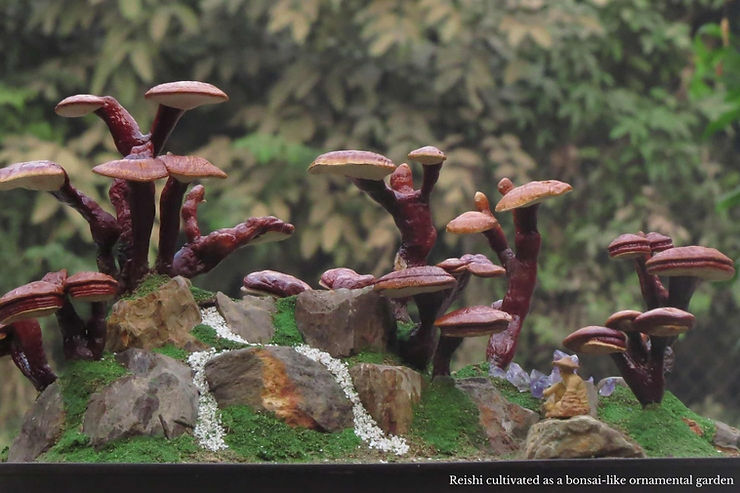
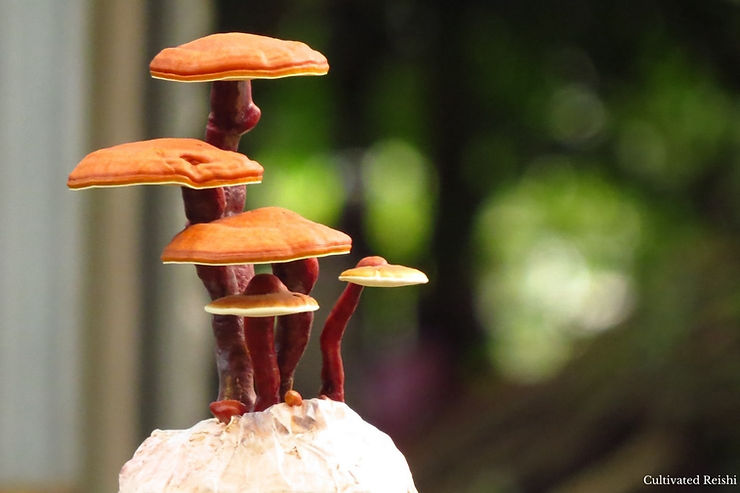
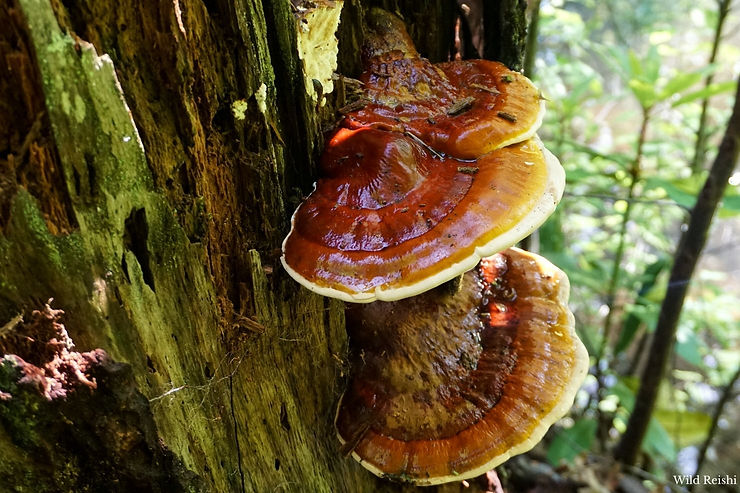
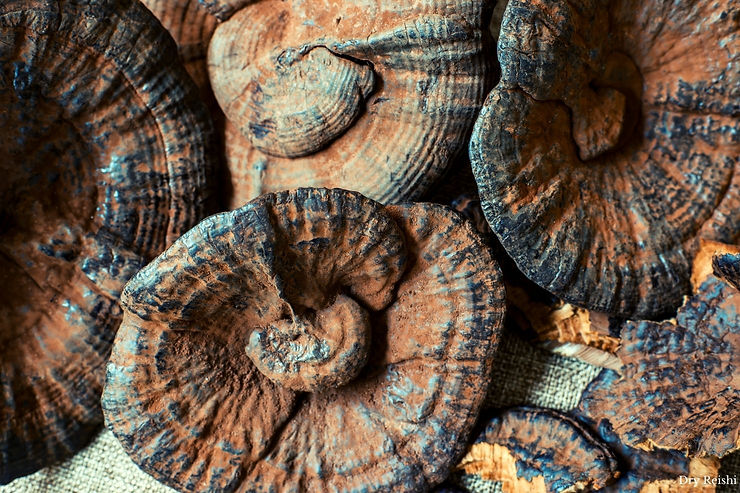
Documented use extends back more than 2,000 years in ancient China, though positive identification from historical description is complicated by the fact that multiple species within the Ganoderma genus have been used medicinally and recorded under similar names. Traditional texts describe multiple types of Reishi, differentiated by colour – red Reishi, purple Reishi, and others. Red Reishi – currently classified as G. lucidum (lucidum being Latin for bright and shiny) – has a non-edible, hard, bitter-tasting polypore fruiting body extending in a shiny fan shape from a stalk-like structure. Historically, many Ganoderma species have been grouped under this name – an important quality consideration discussed below.
Traditional Chinese Medicine lists Reishi as a tonic and Qi restorative that promotes general health, longevity, and youthfulness. It is used to strengthen the heart and treat palpitation, shortness of breath, asthma, cough, dizziness, and insomnia, as well as to ease the mind [1]. As the research below reveals, Reishi does indeed appear to have a measurable soothing effect on the nervous, cardiovascular, and immune systems.
Key Bioactive Compounds in Reishi
Reishi’s particularly broad medicinal potential reflects the vast and diverse collection of bioactive constituents it contains. Beyond an array of fungal polysaccharides with their various immunoregulatory actions, Reishi contains an exceptional range of triterpenoids and related compounds.
Polysaccharides – as with all medicinal mushrooms, Reishi’s polysaccharides drive extensive immunological effects, modulating innate, humoral, and cellular immunity across a range of physiological contexts.
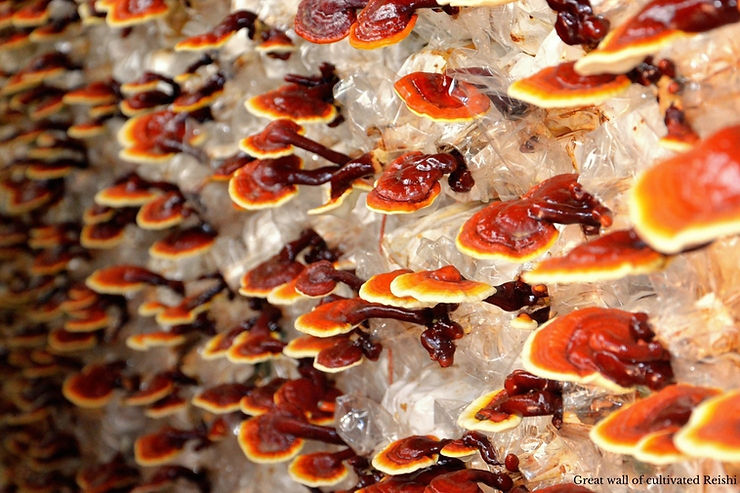
Triterpenoids – more than one hundred triterpenoids have been identified in Reishi, with the content predominantly represented by ganoderic acids (A and B) and lucidenic acids [2]. Triterpenoid content varies between parts of the fungus [2] and is notably reduced in cultivated and commercial samples compared to wild specimens [3] – an important quality consideration.
Ganoderol B – a specific constituent with evidence of androgen receptor interaction and 5-alpha-reductase inhibitory activity, with implications for prostate health and hormonal modulation [17].
A current general review summarises the main biological effects of Reishi as [2]:
- Immunomodulatory and anti-inflammatory
- Anticancer – including cytotoxic, antimetastatic, and immunoregulatory activity, with value as an adjuvant to conventional cancer therapy
- Antioxidant and organ-protective, with particular affinity for the liver and brain
- Antidiabetic, antihypertensive, and anti-obesity
Reishi Mushroom Benefits – The Clinical Evidence
Immune Function
Reishi’s polysaccharides offer extensive immunological effects, enhancing innate, humoral, and cellular immunity. Preclinical evidence demonstrates significant immune enhancement in healthy animals, restoration of immune function in models of ageing and stress, and benefit in autoimmune disorders and allergic responses. Clinical trials, however, remain more limited than the depth of preclinical evidence might suggest [4].
One well-designed randomised, double-blind, placebo-controlled trial enrolled 167 asymptomatic children aged 3-5 years to examine the effect of 350mg Reishi beta-glucans from fermented mycelium on immune parameters. Yoghurt enriched with the beta-glucans was taken daily for five days per week over 12 weeks. Results showed significant increases in peripheral blood lymphocytes and CD3+, CD4+, and CD8+ T cells – cell populations critical to defence against infectious threats in this age group [6].
Cancer Support and Chemotherapy Adjuvant Activity
Reishi has generated significant interest as an antitumour agent, driven by its powerful immunological effects. Clinical trials have demonstrated positive outcomes with Reishi as an adjuvant to chemotherapy and radiotherapy – including reduced suppression of blood cells (stem cell protective effects), attenuation of gastrointestinal side effects such as anorexia, nausea, and diarrhoea, enhanced immunological defence against infection and cancer, and improved physical fitness and quality of life [5].
Beyond its polysaccharide-mediated immune effects, in vitro evidence indicates that Reishi triterpenoids and other non-polysaccharide components exert direct cytotoxic activity on tumour cells [5] – an important reminder that whole “Galenical” extracts capture a fuller spectrum of activity than isolated fractions alone.
Cardiovascular and Metabolic Health
A fundamental mechanism behind much of Reishi’s systemic activity is its capacity to dampen oxidative stress – a driver of chronic inflammation and tissue damage across multiple body systems.
In the cardiovascular context, single-blinded trial evidence demonstrates antioxidant-based protective mechanisms in a population at high risk of atherosclerosis or with stable angina [7]. Three months of a specific polysaccharide peptide component from Reishi delivered significant anti-atherosclerotic protection and improved measures of oxidative stress. In a double-blind study, people with hypertension and/or hypercholesterolaemia experienced antidiabetic effects and improved markers associated with dyslipidaemia [8].
Liver Health
Reishi is understood to have a particular affinity for liver health, with supportive preclinical data stretching back to Chinese animal studies from 1974. A variety of mechanisms have since been elucidated contributing to hepatoprotective effects across different liver disease states – from hepatocellular carcinoma to non-alcoholic and alcoholic fatty liver disease [9].
In a primarily healthy, middle-aged cohort with mild liver dysfunction, six months of Reishi intake produced significant improvements in antioxidant protection as measured by liver and antioxidant markers. Ultrasonic examination of participants found that fatty liver status had been reduced to normal healthy tissue in a meaningful proportion of cases [10].
Neurological Health and Sleep
The Chinese tradition has long utilised Reishi as a sedative for insomnia and anxiety – an application that modern research is beginning to explain mechanistically. Researchers have proposed involvement of multiple targets including immune cytokines, the benzodiazepine receptor, and inhibition of GABA reuptake.
Animal studies demonstrate reduced sleep latency and prolonged sleep duration with Reishi – notably without affecting REM sleep, in contrast to benzodiazepine medications which reduce both REM and deep sleep [11,12].
Reishi’s antioxidant capacity also contributes to broad neuroprotective effects with relevance to neurodegenerative diseases and brain injury – including Alzheimer’s disease, Parkinson’s disease, spinal cord injury, stroke, epilepsy, and depression [11,13,14].
Fibromyalgia, Hormonal Modulation and Prostate Health
An intriguing clinical finding: women with fibromyalgia experienced significantly improved aerobic endurance, flexibility, and velocity with 6g of Reishi daily for six weeks, compared with carob – a recognised antioxidant – which produced no significant effects [15]. The superior results suggest mechanisms beyond antioxidant activity alone are at work.
One candidate mechanism is hormonal modulation. Testosterone and progesterone dysregulation has been linked to fibromyalgia, particularly pain presentation [16]. Evidence of ganoderol B interacting with the androgen receptor and exhibiting 5-alpha-reductase inhibitory activity [17] makes this an interesting avenue for further investigation.
This androgen-modulating activity also has implications for prostate health. In a study of men with lower urinary tract symptoms (LUTS), 6mg of an ethanolic Reishi extract significantly improved International Prostate Symptom Score results, indicating improved prostate health [18,19].
Safety, Quality and Reishi Dosage
Species and Taxonomy
With the taxonomy of the Ganoderma genus in ongoing flux, accurate identification matters clinically. G. lucidum is considered the standard medicinal species today and has received the most research attention – when sourcing Reishi products, confirm species identification on the label.
Fruiting Body, Mycelium or Spores?
As with most medicinal mushrooms, I recommend the fruiting body over mycelium for best results with Reishi, at least until more research supports the non-traditional use of mycelium.
Reishi spores are increasingly appearing on the market, promoted by some as a more potent and condensed form of Reishi medicine. With comparatively limited research on the biological activity and safety of spores, I recommend caution with their clinical application for now.
Extraction Method
As Reishi is non-edible, it is best taken as a decoction or dry extract. Traditional hot water extraction captures polysaccharide components effectively – however combining ethanol and water allows for more complete full-spectrum extraction, capturing triterpenoids alongside polysaccharides, and is my preference.
Dosage
I recommend 2-6g of dry Reishi fruiting body daily, divided into two even doses.
Safety Considerations
Reishi has an excellent safety profile, with only very rare incidence of allergic reaction. Caution is advised when combining Reishi with anticoagulant or antiplatelet medication [13,20].
Frequently Asked Questions About Reishi
What is Reishi mushroom good for? Reishi has the broadest clinical profile of any medicinal mushroom – with evidence supporting immune enhancement, cancer support as a chemotherapy adjuvant, liver protection, cardiovascular health, sleep and anxiety, neuroprotection, blood sugar regulation, and prostate health. It is one of the most versatile medicinal fungi available.
How much Reishi should I take per day? I recommend 2-6g of dry Reishi fruiting body daily, divided into two doses. Ethanolic or dual ethanol/water extracts are preferred for capturing the full spectrum of active constituents including triterpenoids.
Is Reishi good for sleep? Animal studies demonstrate that Reishi reduces sleep latency and extends sleep duration without affecting REM sleep – a meaningful distinction from pharmaceutical sleep aids. The proposed mechanisms include GABA reuptake inhibition and modulation of immune cytokines.
Is Reishi safe to take long term? Yes – Reishi has an excellent long-term safety profile. Rare allergic reactions are possible. Caution is advised when combining with anticoagulant or antiplatelet medications [13,20].
Should I choose Reishi fruiting body or mycelium? Fruiting body is recommended for best clinical results, consistent with traditional use. Spores are increasingly available but have limited research support – approach with caution until more data is available.
What makes Reishi different from other medicinal mushrooms? Reishi’s combination of polysaccharide-based immune activity and a rich triterpenoid profile – including more than 100 identified triterpenoids – gives it an unusually broad range of clinical applications. No other commonly used medicinal mushroom matches its scope across immune, neurological, hepatic, cardiovascular, and endocrine systems.
If you would like a more in-depth and clinically-focussed take on this excellent medicinal fungus, see my Reishi Monograph.
Want to go deeper? My course Mastering Medicinal Mushrooms covers the complete clinical evidence base for Reishi and ten other key medicinal fungi – from biochemistry to practical prescribing guidance for practitioners and serious students alike.
Prefer a more personalised approach? I also offer one-on-one herbal medicine consultations for those looking for tailored clinical support.
References
[1] Sohretoglu D, Huang S. Ganoderma lucidum Polysaccharides as An Anti-cancer Agent. Anticancer Agents Med Chem. 2018;18(5):667-674.
[2] Zengin FH, Şanlier N. Connection of Ganoderma Lucidum with Health. Geleneksel ve Tamamlayıcı Tıp Dergisi. 2020;3(1):84-98.
[3] Xin H, Fang L, Xie J, et al. Identification and Quantification of Triterpenoids in Lingzhi or Reishi Medicinal Mushroom, Ganoderma lucidum (Agaricomycetes), with HPLC-MS/MS Methods. Int J Med Mushrooms. 2018;20(10):919-934.
[4] Wang X, Lin Z. Immunomodulating Effect of Ganoderma (Lingzhi) and Possible Mechanism. Adv Exp Med Biol. 2019;1182:1-37.
[5] Lin Z, Sun L. Antitumor Effect of Ganoderma (Lingzhi) Mediated by Immunological Mechanism and Its Clinical Application. Adv Exp Med Biol. 2019;1182:39-77.
[6] Henao SLD, Urrego SA, Cano AM, et al. Randomized Clinical Trial for the Evaluation of Immune Modulation by Yogurt Enriched with β-Glucans from Lingzhi or Reishi Medicinal Mushroom, Ganoderma lucidum (Agaricomycetes), in Children from Medellin, Colombia. Int J Med Mushrooms. 2018;20(8):705-716.
[7] Sargowo D, Ovianti N, Susilowati E et al. The role of polysaccharide peptide of Ganoderma lucidum as a potent antioxidant against atherosclerosis in high risk and stable angina patients. Indian Heart J. 2018 Sep – Oct;70(5):608-614.
[8] Chu TT, Benzie IF, Lam CW, et al. Study of potential cardioprotective effects of Ganoderma lucidum (Lingzhi): results of a controlled human intervention trial. Br J Nutr. 2012 Apr;107(7):1017-27.
[9] Qiu Z, Zhong D, Yang B. Preventive and Therapeutic Effect of Ganoderma (Lingzhi) on Liver Injury. Adv Exp Med Biol. 2019;1182:217-242.
[10] Chiu HF, Fu HY, Lu YY, et al. Triterpenoids and polysaccharide peptides-enriched Ganoderma lucidum: a randomized, double-blind placebo-controlled crossover study of its antioxidation and hepatoprotective efficacy in healthy volunteers. Pharm Biol. 2017 Dec;55(1):1041-1046.
[11] Cui X, Zhang Y. Neuropharmacological Effect and Clinical Applications of Ganoderma (Lingzhi). Adv Exp Med Biol. 2019;1182:143-157.
[12] Feng X, Wang Y. Anti-inflammatory, anti-nociceptive and sedative-hypnotic activities of lucidone D extracted from Ganoderma lucidum. Cell Mol Biol (Noisy-le-grand). 2019;65(4):37-42.
[13] Ahmad MF. Ganoderma lucidum: Persuasive biologically active constituents and their health endorsement. Biomed Pharmacother. 2018 Nov;107:507-519.
[14] Bulam S, Üstün NŞ, Pekşen A. Health Benefits of Ganoderma lucidum as a Medicinal Mushroom. Turkish Journal of Agriculture-Food Science and Technology. 2019 Dec 10;7(sp1):84-93.
[15] Collado Mateo D, Pazzi F, Domínguez Muñoz FJ, et al. Ganoderma lucidum improves physical fitness in women with fibromyalgia. Nutr Hosp. 2015 Nov 1;32(5):2126-35.
[16] Schertzinger M, Wesson-Sides K, Parkitny L, et al. Daily Fluctuations of Progesterone and Testosterone Are Associated With Fibromyalgia Pain Severity. J Pain. 2018 Apr;19(4):410-417.
[17] Liu J, Shimizu K, Konishi F, et al. The Anti-Androgen Effect of Ganoderol B Isolated From the Fruiting Body of Ganoderma Lucidum. Bioorg Med Chem. 2007 Jul 15;15(14):4966-72.
[18] Noguchi M, Kakuma T, Tomiyasu K, et al. Effect of an extract of Ganoderma lucidum in men with lower urinary tract symptoms: a double-blind, placebo-controlled randomized and dose-ranging study. Asian J Androl. 2008 Jul;10(4):651-8.
[19] Noguchi M, Kakuma T, Tomiyasu K, et al. Randomized clinical trial of an ethanol extract of Ganoderma lucidum in men with lower urinary tract symptoms. Asian J Androl. 2008 Sep;10(5):777-85.
[20] Wicks SM, Tong R, Wang CZ, et al. Safety and tolerability of Ganoderma lucidum in healthy subjects: a double-blind randomized placebo-controlled trial. Am J Chin Med. 2007;35(3):407-14.