Shiitake is one of the most familiar mushrooms in the world – yet most people consuming it have no idea of the remarkable clinical evidence building behind this fragrant, umami-rich fungus. Beyond its reputation as a culinary staple, Shiitake is one of the most thoroughly researched medicinal mushrooms available, with compelling evidence across immune function, cancer support, cardiovascular health, metabolic regulation, and more. Here is a thorough clinical overview.
What Is Shiitake? Biology & Traditional Background
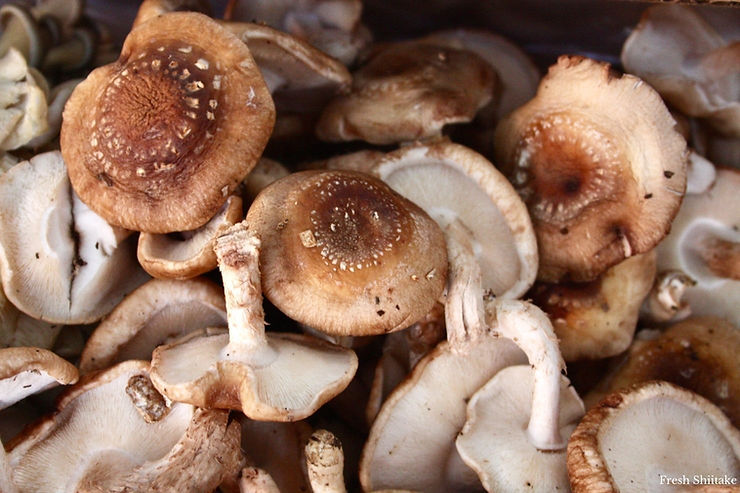
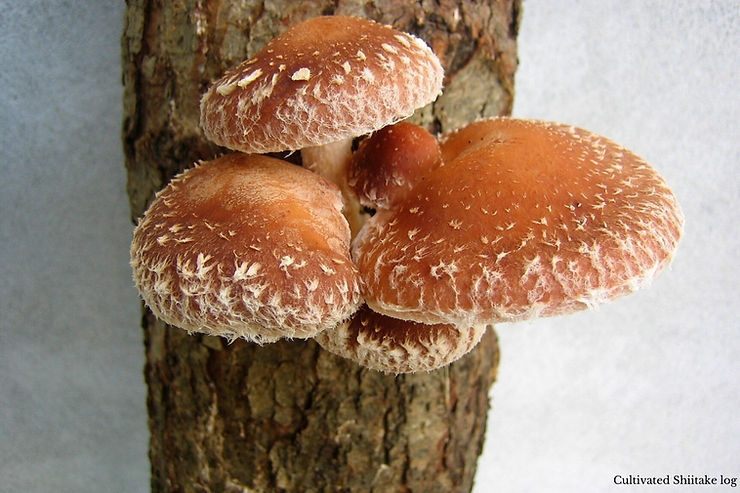
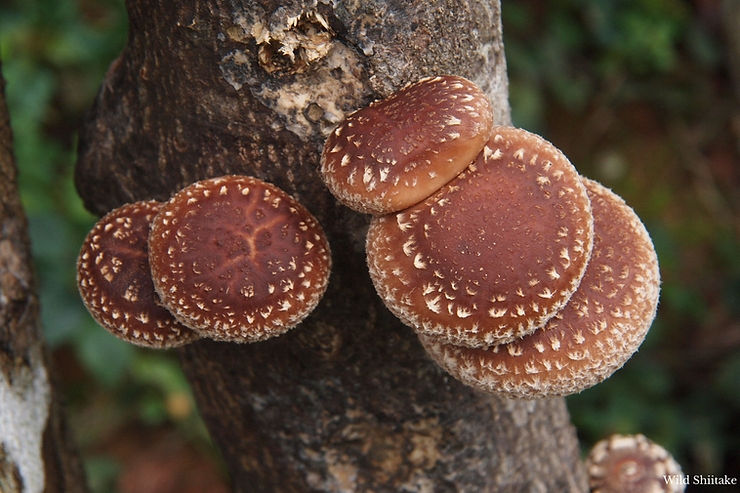
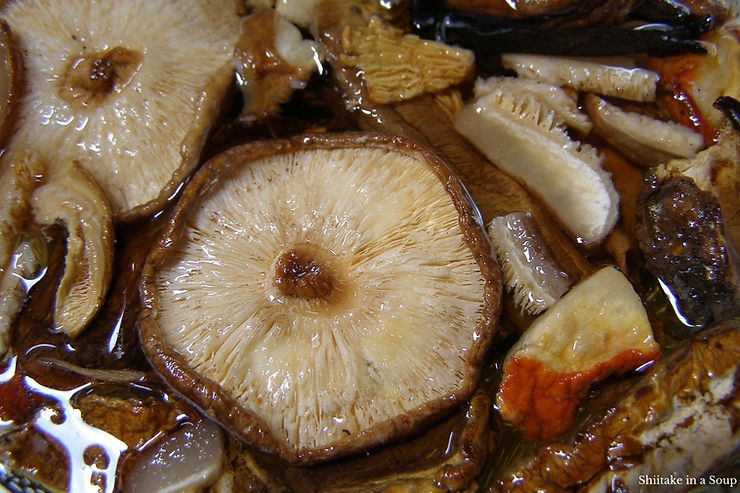
Shiitake is the most universal common name for the mushroom of Lentinula edodes, though it is variously known as the sawtooth mushroom, black forest mushroom, and golden oak mushroom. Shiitake is the Japanese name, literally describing its preferred host – the wood of the shii tree (Castanopsis spp.). The Chinese name, xiang gu, translates as “fragrant mushroom” – a fitting description given its strong umami character and pleasant aroma. It has been revered as a powerful therapeutic agent across East Asia for thousands of years [1].
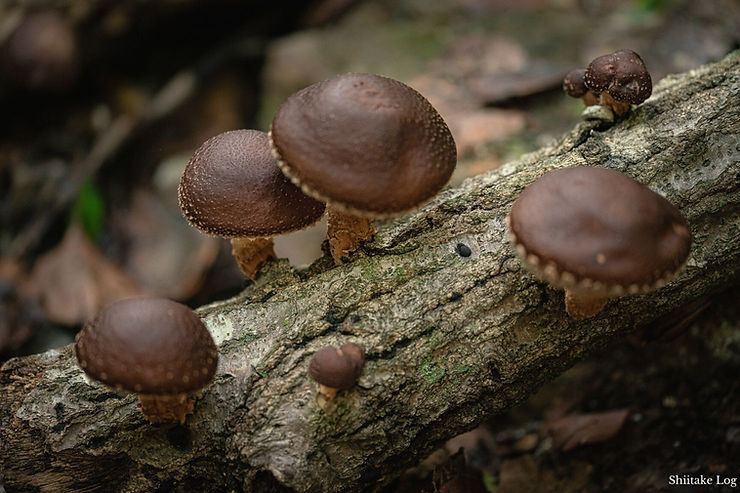
The first recorded use of Shiitake comes from ancient China, where the line between myth and history is often pleasingly blurred. Records indicate that the Kyusuyu people of Japan gifted Shiitake to the Japanese Emperor in 199 CE [1].
The demand for Shiitake eventually required systematic cultivation methods at a time when fungi were quite mysterious. The legendary Chinese figure Wu San Kwung is credited with developing the first cultivation method during the Sung Dynasty (960-1127 CE) [1,2] – and to this day, Chinese villages that produce mushroom crops often maintain a temple in his honour [1]. By 1313, Shiitake cultivation techniques were standardised and recorded by Chinese author Wang Cheng in his Book of Agriculture. These techniques were introduced to Japan in the 1500s, where Shiitake was so treasured that it became tradition to gift cultivated logs to newborn boys as a positive omen for their health and financial future [3].
Tradition ascribes Shiitake as an elixir of life – improving stamina and circulation, curing colds, and lowering cholesterol [4]. It remains the second most cultivated mushroom in the world, after the common button mushroom [5].
Key Bioactive Compounds in Shiitake
Shiitake contains complex bioactive chemistry, but its most researched component is lentinan – a Shiitake-specific beta-glucan polysaccharide found in both fruiting body and mycelium, and recognised as a valuable immunotherapeutic agent across Asia [6,7].
Additional bioactive constituents of note include:
L-ergothioneine – a powerful antioxidant that physically traps reactive oxygen and nitrogen species (ROS, RNS) and inflammatory mediators [2]. Shiitake is one of the richest dietary sources of ergothioneine available.
Lenthionine – a sulphur-containing aromatic compound contributing to Shiitake’s characteristic flavour, with antiplatelet activity worth noting in clinical contexts [41].
Carvacrol – an aromatic monoterpene also found in thyme and oregano, with biofilm-disrupting and antimicrobial activity [2].
Ergosterol – a precursor to vitamin D2 upon UV exposure, with implications for immune function and bone health [33].
Syringic acid – with evidence of bone-formation activity independent of oestrogen signalling [39].
Shiitake Mushroom Benefits – The Clinical Evidence
Immune Function – Even in Healthy People
The most compelling aspect of Shiitake’s clinical profile is its capacity to enhance immune function not just in compromised individuals, but in healthy people consuming it at realistic dietary amounts.
A landmark study demonstrated this with a simple dietary intervention – 5g of dry Shiitake mushroom taken once or twice daily [12]. After four weeks, gamma-delta T cells and natural killer T cells had increased and were primed to respond more vigorously to immune threats, while simultaneously inflammatory activity was reduced via pro- and anti-inflammatory cytokine modulation. C-reactive protein (CRP) – a marker of acute inflammation – was significantly reduced even in participants whose levels were already within the healthy range. Secretory IgA concentration and rate of production also increased significantly.
Previous double-blind, placebo-controlled trials have further confirmed immunomodulatory effects in healthy adults [13], including in an elderly population specifically [14].
Cancer Support and Chemotherapy Adjuvant Activity
Shiitake’s most extensively researched application is in cancer support, driven by the immunotherapeutic activity of lentinan. While lentinan shows direct cytotoxic activity against cancer cells in vitro, in biological systems its anticancer effects appear to work primarily through immunoregulation [7].
The immunosuppressive microenvironment of tumours is understood to be a key factor in chemotherapy failure – and the immunomodulatory effects of Shiitake appear to improve chemotherapy efficacy meaningfully. The overall mean response rate for lung cancer treatment, for example, increased significantly from 43.3% to 56.9% when lentinan was added to chemotherapy [6].
Early studies indicate that Shiitake extracts improve overall quality of life and immunological function in cancer patients undergoing chemotherapy [8,9,10]. In a study of patients with metastatic or recurrent gastric cancer, lentinan not only improved chemotherapy outcomes but resulted in significantly longer median overall survival [11].
Oral Health
One of the more surprising lines of Shiitake research concerns oral health – and it is worth highlighting because it is genuinely underreported.
Two double-blind trials have investigated Shiitake extracts used topically as a mouthwash and found meaningful anticariogenic potential [15,16]. Low molecular weight extracts used for 10-14 days reduced the metabolic activity of dental plaque [15], produced significant improvements in plaque index and gingival index scores – outperforming Listerine on gingival index [16] – and reduced numbers of key oral pathogens. Importantly, Shiitake appears to selectively reduce pathogenic species without affecting beneficial oral microbiota – in contrast to the non-specific antimicrobial activity of pharmaceutical mouthwash [17]. Broad antifungal and antiviral activity is also likely [2,18,19].
Gut Health and Anti-Ageing
Modulation of the gastrointestinal microbiota has broad implications for systemic health. In a compelling mouse study, three groups were compared – young adult mice, old adult mice, and old adult mice fed Shiitake [20]. Ageing is associated with a disordered gut microbiota. Shiitake protected against this age-related dysbiosis, enhancing both systemic and mucosal immunity via modulation of intestinal gene expression. These findings have prompted broader exploration of Shiitake’s anti-ageing qualities, associated with its antioxidant protection [21].
A human study confirmed that Shiitake improves antioxidant activity following exercise-induced muscle damage [22] – consistent with the ergothioneine content’s capacity to trap reactive oxygen species.
Metabolic Health – Blood Sugar and Cholesterol
Initial investigations indicate that lentinan may help protect pancreatic beta-cells against oxidative stress-associated damage caused by glucose and insulin resistance, demonstrated both in vitro [23] and in diabetic rats [24]. Shiitake also demonstrates hypoglycaemic effects in type 1 diabetic rats [25].
On fat metabolism, Shiitake provided high-cholesterol animals with significant antioxidant, immunomodulatory, and hepatoprotective effects [26]. A 10% Shiitake diet reduced total cholesterol, HDL, non-HDL, and serum triglycerides across both sexes in rats, though the mechanisms differed by sex [27]. Shiitake has also been shown to alter genes involved in cholesterol metabolism similarly to statin medication [28].
Regarding obesity and liver health, Shiitake reduced weight gain, circulating triglycerides, total fat, and fat accumulation in the liver [29,30], and protects the liver against toxic assault [31]. Recent findings indicate Shiitake reduces ethanol absorption and accelerates ethanol metabolism in the liver via relevant enzyme promotion [32] – suggesting potential value in non-alcoholic fatty liver disease [33].
Cardiovascular Protection
The metabolic activity outlined above directly supports cardiovascular health. Additionally, Shiitake may lower homocysteine [34] – a significant cardiovascular risk factor – and appears to prevent plaque deposition associated with atherosclerosis [30,35,36].
Bone Health and Joint Protection
Shiitake appears to inhibit osteoclast activity while promoting osteoblast function, supporting improved bone mineralisation. An animal model of osteoporosis demonstrated significant reduction in bone loss with Shiitake, though it was used in combination with Maitake in this study, which may have contributed to the effect [37]. An older mouse study found reduced severity and incidence of collagen-induced arthritis with Shiitake supplementation [38].
Syringic acid from Shiitake upregulates bone formation in mice independently of oestrogen signalling [39]. Shiitake is also a meaningful source of vitamin D – it is particularly high in ergosterol, which converts to vitamin D2 upon UV light exposure. Vitamin D promotes bone health and appears to enhance the anti-inflammatory effects of Shiitake [33].
Safety, Quality and Shiitake Dosage
Dosage
I recommend aiming for 5-10g of dry Shiitake daily. Even incorporating a 5g serve into the diet every second day is likely to confer meaningful health benefits.
Safety Considerations
Shiitake is safe at recommended doses. In rare cases, ingestion of raw or undercooked Shiitake can cause a painful allergic dermatitis, thought to be caused by lentinan [40]. How rare? A 2019 review of lentinan use in 9,474 cancer patients in China found only 18 patients – 0.02% – experienced adverse reactions [7]. I have encountered this reaction once in clinic, in a patient consuming 2-3 raw Shiitake daily. Onset occurred within approximately one week – presenting as a painful, extremely itchy rash that fully resolved within ten days of cessation. Always ensure Shiitake is adequately cooked.
Use caution when combining Shiitake with anticoagulant or antiplatelet medication, as lenthionine may potentiate this activity [41].
Who Is Shiitake Best Suited For?
I recommend Shiitake as a key therapeutic tool for anyone seeking enhanced and balanced immune function, and as a valuable adjuvant to cancer chemotherapy. It is also well suited as part of a broader protocol for hypercholesterolaemia, fatty liver disease, metabolic syndrome, obesity, and insulin resistance, and to support cardiovascular disease prevention. Additional applications include support for gastrointestinal and oral mucosal integrity, skin, bone health, and anti-ageing strategies.
Frequently Asked Questions About Shiitake
What are the main health benefits of Shiitake mushroom? Shiitake has the strongest evidence base for immune enhancement – including in healthy people at normal dietary amounts – and cancer support as a chemotherapy adjuvant. It also demonstrates meaningful effects on cholesterol, blood sugar regulation, liver health, cardiovascular risk, oral health, gut microbiota, and bone metabolism.
What is lentinan and why does it matter? Lentinan is a Shiitake-specific beta-glucan polysaccharide found in both fruiting body and mycelium. It is the most extensively researched constituent of Shiitake and is recognised as a valuable immunotherapeutic agent in Asia, particularly in the context of cancer chemotherapy support.
How much Shiitake should I eat per day? 5-10g of dry Shiitake daily is recommended for therapeutic benefit. Even 5g every second day incorporated into the diet is likely to confer meaningful immune and metabolic benefits.
Can you eat raw Shiitake? Raw or undercooked Shiitake should be avoided. In rare cases it can cause a painful allergic dermatitis known as Shiitake dermatitis, thought to be triggered by lentinan. Always ensure Shiitake is thoroughly cooked before consumption.
Does Shiitake help with cholesterol? Preclinical evidence suggests Shiitake alters genes involved in cholesterol metabolism similarly to statin medication, reducing total cholesterol, HDL, non-HDL, and serum triglycerides in animal models. Human trial evidence in this area is still emerging.
Is Shiitake good for the immune system? Yes – Shiitake is one of the best-evidenced medicinal mushrooms for immune support. Human studies demonstrate increased NK cell activity, improved T cell function, reduced inflammatory markers, and raised secretory IgA at doses as low as 5g of dry mushroom daily.
If you would like a more in-depth and clinically focussed take on this excellent medicinal fungus, see my Shiitake Monograph.
Want to go deeper? My course Mastering Medicinal Mushrooms covers the complete clinical evidence base for Shiitake and ten other key medicinal fungi – from biochemistry to practical prescribing guidance for practitioners and serious students alike.
Prefer a more personalised approach? I also offer one-on-one herbal medicine consultations for those looking for tailored clinical support.
References
[1] Wasser SP. Shiitake (Lentinus edodes). Encyclopedia of dietary supplements. 2005:653-64.
[2] Avinash J, Vinay S, Jha K, et al. The Unexplored Anticaries Potential of Shiitake Mushroom. Pharmacogn Rev. 2016 Jul-Dec;10(20):100-104.
[3] Tilak S. The shiitake mushroom – a history in magic and folklore. The Mycophile. 2019 Jan-Feb;59(1):1-4.
[4] Jong SC, Birmingham JM. Medicinal and therapeutic value of the shiitake mushroom. Adv Appl Microbiol. 1993;39:153-84.
[5] Rahman T, Choudhury MB. Shiitake mushroom: a tool of medicine. Bangladesh Journal of Medical Biochemistry. 2012;5(1):24-32.
[6] Zhang Y, Zhang M, Jiang Y, et al. Lentinan as an immunotherapeutic for treating lung cancer: a review of 12 years clinical studies in China. J Cancer Res Clin Oncol. 2018 Nov;144(11):2177-2186.
[7] Zhang M, Zhang Y, Zhang L, et al. Mushroom polysaccharide lentinan for treating different types of cancers: A review of 12 years clinical studies in China. Prog Mol Biol Transl Sci. 2019;163:297-328.
[8] Okuno K, Uno K. Efficacy of orally administered Lentinula edodes mycelia extract for advanced gastrointestinal cancer patients undergoing cancer chemotherapy: a pilot study. Asian Pac J Cancer Prev. 2011;12(7):1671-4.
[9] Tanigawa K, Itoh Y, Kobayashi Y. Improvement of QOL and Immunological Function With Lentinula Edodes Mycelia in Patients Undergoing Cancer Immunotherapy: An Open Pilot Study. Altern Ther Health Med. 2016 Jul;22(4):36-42.
[10] Yamaguchi Y, Miyahara E, Hihara J. Efficacy and safety of orally administered Lentinula edodes mycelia extract for patients undergoing cancer chemotherapy: a pilot study. Am J Chin Med. 2011;39(3):451-9.
[11] Ina K, Kataoka T, Ando T. The use of lentinan for treating gastric cancer. Anticancer Agents Med Chem. 2013 Jun;13(5):681-8.
[12] Dai X, Stanilka JM, Rowe CA, et al. Consuming Lentinula edodes (Shiitake) Mushrooms Daily Improves Human Immunity: A Randomized Dietary Intervention in Healthy Young Adults. J Am Coll Nutr. 2015;34(6):478-87.
[13] Choi JY, Paik DJ, Kwon DY, et al. Dietary supplementation with rice bran fermented with Lentinus edodes increases interferon-γ activity without causing adverse effects: a randomized, double-blind, placebo-controlled, parallel-group study. Nutr J. 2014 Apr 22;13:35.
[14] Gaullier JM, Sleboda J, Øfjord ES, et al. Supplementation with a soluble β-glucan exported from Shiitake medicinal mushroom, Lentinus edodes (Berk.) singer mycelium: a crossover, placebo-controlled study in healthy elderly. Int J Med Mushrooms. 2011;13(4):319-26.
[15] Lingström P, Zaura E, Hassan H, et al. The anticaries effect of a food extract (shiitake) in a short-term clinical study. J Biomed Biotechnol. 2012;2012:217164.
[16] Signoretto C, Burlacchini G, Marchi A, et al. Testing a low molecular mass fraction of a mushroom (Lentinus edodes) extract formulated as an oral rinse in a cohort of volunteers. J Biomed Biotechnol. 2011;2011:857987.
[17] Ciric L, Tymon A, Zaura E, et al. In vitro assessment of shiitake mushroom (Lentinula edodes) extract for its antigingivitis activity. J Biomed Biotechnol. 2011;2011:507908.
[18] Kupcova K, Stefanova I, Plavcova Z, et al. Antimicrobial, Cytotoxic, Anti-Inflammatory, and Antioxidant Activity of Culinary Processed Shiitake Medicinal Mushroom (Lentinus edodes, Agaricomycetes) and Its Major Sulfur Sensory-Active Compound-Lenthionine. Int J Med Mushrooms. 2018;20(2):165-175.
[19] Bisen PS, Baghel RK, Sanodiya BS, et al. Lentinus edodes: a macrofungus with pharmacological activities. Curr Med Chem. 2010;17(22):2419-30.
[20] Xu X, Yang J, Ning Z, et al. Lentinula edodes-derived polysaccharide rejuvenates mice in terms of immune responses and gut microbiota. Food Funct. 2015 Aug;6(8):2653-63.
[21] Wang L, Wang C, Gao X, et al. Purification, characterization and anti-aging capacity of mycelia zinc polysaccharide by Lentinus edodes SD-08. BMC Complement Altern Med. 2015 Apr 9;15:111.
[22] Zembron-Lacny A, Gajewski M, Naczk M, et al. Effect of shiitake (Lentinus edodes) extract on antioxidant and inflammatory response to prolonged eccentric exercise. J Physiol Pharmacol. 2013 Apr;64(2):249-54.
[23] Cao XY, Liu D, Bi RC, et al. The protective effects of a novel polysaccharide from Lentinus edodes mycelia on islet β (INS-1) cells damaged by glucose and its transportation mechanism with human serum albumin. Int J Biol Macromol. 2019 Aug 1;134:344-353.
[24] Zhang Y, Mei H, Shan W, et al. Lentinan protects pancreatic β cells from STZ-induced damage. J Cell Mol Med. 2016 Oct;20(10):1803-12.
[25] Yang BK, Kim DH, Jeong SC, et al. Hypoglycemic effect of a Lentinus edodes exo-polymer produced from a submerged mycelial culture. Biosci Biotechnol Biochem. 2002 May;66(5):937-42.
[26] Nisar J, Mustafa I, Anwar H, et al. Shiitake Culinary-Medicinal Mushroom, Lentinus edodes (Agaricomycetes): A Species with Antioxidant, Immunomodulatory, and Hepatoprotective Activities in Hypercholesterolemic Rats. Int J Med Mushrooms. 2017;19(11):981-990.
[27] Yu S, Wu X, Ferguson M, et al. Diets Containing Shiitake Mushroom Reduce Serum Lipids and Serum Lipophilic Antioxidant Capacity in Rats. J Nutr. 2016 Dec;146(12):2491-2496.
[28] Gil-Ramírez A, Caz V, Smiderle FR, et al. Water-Soluble Compounds from Lentinula edodes Influencing the HMG-CoA Reductase Activity and the Expression of Genes Involved in the Cholesterol Metabolism. J Agric Food Chem. 2016 Mar 9;64(9):1910-20.
[29] Handayani D, Chen J, Meyer BJ, et al. Dietary Shiitake Mushroom (Lentinus edodes) Prevents Fat Deposition and Lowers Triglyceride in Rats Fed a High-Fat Diet. J Obes. 2011;2011:258051.
[30] Yang H, Hwang I, Kim S, et al. Lentinus edodes promotes fat removal in hypercholesterolemic mice. Exp Ther Med. 2013 Dec;6(6):1409-1413.
[31] Sasidharan S, Aravindran S, Latha LY, et al. In vitro antioxidant activity and hepatoprotective effects of Lentinula edodes against paracetamol-induced hepatotoxicity. Molecules. 2010 Jun 23;15(6):4478-89.
[32] Uto-Kondo H, Sakurai A, Ogawa K, et al. Suppressive Effect of Shiitake Extract on Plasma Ethanol Elevation. Nutrients. 2020 Aug 31;12(9):E2647.
[33] Drori A, Shabat Y, Ben Ya’acov A, et al. Extracts from Lentinula edodes (Shiitake) Edible Mushrooms Enriched with Vitamin D Exert an Anti-Inflammatory Hepatoprotective Effect. J Med Food. 2016 Apr;19(4):383-9.
[34] Yang H, Hwang I, Kim S, et al. Preventive effects of Lentinus edodes on homocysteinemia in mice. Exp Ther Med. 2013 Aug;6(2):465-468.
[35] Rahman MA, Abdullah N, Aminudin N. Lentinula edodes (shiitake mushroom): An assessment of in vitro anti-atherosclerotic bio-functionality. Saudi J Biol Sci. 2018 Dec;25(8):1515-1523.
[36] Yamada T, Oinuma T, Niihashi M, et al. Effects of Lentinus edodes mycelia on dietary-induced atherosclerotic involvement in rabbit aorta. J Atheroscler Thromb. 2002;9(3):149-56.
[37] Erjavec I, Brkljacic J, Vukicevic S, et al. Mushroom Extracts Decrease Bone Resorption and Improve Bone Formation. Int J Med Mushrooms. 2016;18(7):559-69.
[38] Chandra L, Alexander H, Traoré D, et al. White button and shiitake mushrooms reduce the incidence and severity of collagen-induced arthritis in dilute brown non-agouti mice. J Nutr. 2011 Jan;141(1):131-6.
[39] Tanaka T, Kawaguchi N, Zaima N, et al. Antiosteoporotic activity of a syringic acid diet in ovariectomized mice. J Nat Med. 2017 Oct;71(4):632-641.
[40] Grotto D, Bueno DC, Ramos GK, et al. Assessment of the Safety of the Shiitake Culinary-Medicinal Mushroom, Lentinus edodes (Agaricomycetes), in Rats: Biochemical, Hematological, and Antioxidative Parameters. Int J Med Mushrooms. 2016;18(10):861-870.
[41] Shimada S, Komamura K, Kumagai H, et al. Inhibitory activity of shiitake flavor against platelet aggregation. Biofactors. 2004;22(1-4):177-9.