For thousands of years, medicinal mushrooms have held a central place in traditional healing systems across Asia, Europe, and indigenous cultures worldwide. Today, modern science is catching up, revealing the sophisticated biochemistry behind these fungi and their remarkable capacity to modulate human physiology. As both a clinical herbalist and educator who has been working with medicinal mushrooms for decades, I’ve seen these remarkable fungi evolve from niche botanical medicine to mainstream wellness – and with that shift comes both opportunity and confusion.
This guide is designed to cut through the noise. Whether you’re a health practitioner looking to integrate medicinal mushrooms into clinical practice, or someone seeking evidence-based information about these fungi, you’ll find what you need here. We’ll explore the science, the species, the quality considerations, and what the research actually says – grounded in both traditional knowledge and contemporary evidence.
What Are Medicinal Mushrooms?
Medicinal mushrooms are fungi that have been used therapeutically for their health-promoting properties, distinct from their culinary or nutritional value alone. While all mushrooms offer some nutritional benefit, medicinal mushrooms contain specific bioactive compounds – polysaccharides, triterpenes, sterols, and unique antioxidants – that interact with human physiology in measurable ways.
It’s important to clarify terminology from the start. When we talk about mushrooms, we’re typically referring to the fruiting body – the reproductive structure that emerges when conditions are right. But the mushroom is only one part of the fungal organism. The main body, called the mycelium, is a network of thread-like structures that exists beneath the surface, functioning as the organism’s control centre and nutrient-gathering system. This distinction matters enormously when evaluating supplements, something we’ll address in detail later.
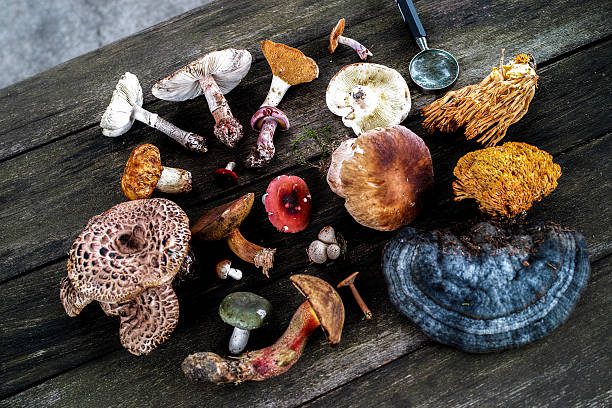
The fungi we call “medicinal mushrooms” belong primarily to the class Basidiomycetes, a group that includes some of the most well-researched immune-modulating organisms on earth. Species like Ganoderma lucidum (Reishi), Hericium erinaceus (Lion’s Mane), Lentinula edodes (Shiitake), Trametes versicolor (Turkey Tail), and Inonotus obliquus (Chaga) have been studied extensively for their effects on immune function, inflammation, oxidative stress, neurological health, and metabolic regulation.
What makes these fungi “medicinal” isn’t just traditional use – though that provides invaluable context – but rather the growing body of preclinical and clinical research demonstrating specific, reproducible biological activities. These aren’t vague “wellness boosters.” They’re complex natural medicines with distinct mechanisms of action, and they deserve to be understood and used with the same rigour we apply to any therapeutic intervention.
The Science Behind Medicinal Mushrooms – How They Work
Medicinal mushrooms are not single-molecule medicines. They’re complex biological matrices containing hundreds of compounds that work in concert. While we can isolate and study individual constituents, the therapeutic value often lies in the synergy between multiple bioactive fractions. That said, there are three classes of compounds that stand out for their clinical relevance: beta-glucans, triterpenes, and ergothioneine.
Beta-Glucans and Immune Modulation
Beta-glucans are structural polysaccharides – long chains of glucose molecules – that form the cell walls of fungi. But not all beta-glucans are created equal. The beta-glucans found in mushrooms are structurally distinct from those in oats, barley, or yeast. Mushroom beta-glucans typically have a β-(1,3)-glucan backbone with β-(1,6)-glucose side branches, and this specific architecture determines how they interact with the human immune system.
Think of beta-glucans as molecular barcodes or keys – their structure determines which door they open in your body and what message they send. When immune cells encounter mushroom beta-glucans, they bind to pattern-recognition receptors like Dectin-1, which evolved to detect fungal cell wall components. This isn’t about attacking the mushroom – it’s about immune education and calibration.
The response triggered by beta-glucan binding is nuanced. Your immune system receives a set of instructions: get organised, be more vigilant, respond appropriately, don’t underreact, don’t overreact. This is why we call it immune modulation rather than immune stimulation. Beta-glucans don’t simply ramp up immune activity indiscriminately. They help the immune system become more accurate, more responsive when needed, and more restrained when inflammation would be counterproductive.
However, there’s an important caveat. Dectin-1 binds to beta-glucans, but it only signals in response to whole, insoluble (particulate) glucans that maintain a cell wall-associated structure. Soluble, smaller fragments can bind to Dectin-1 without triggering the same immune cascade. In fact, they may even form a feedback loop that dampens inflammatory responses. This structural dependency has significant implications for supplement quality and preparation methods.
The immunomodulatory effects of fungal beta-glucans extend beyond simple immune activation. Research demonstrates antitumour activity, enhanced resistance to infections, tissue-protective properties, and emerging evidence for cardiometabolic benefits, though clinical trials haven’t consistently replicated the impressive results seen in animal studies. The most robust clinical evidence remains in the realm of immune support and as adjuvants in cancer therapy, particularly with compounds like PSK (polysaccharide-K) and PSP (polysaccharide-peptide) from Turkey Tail.
Triterpenes and Adaptogenic Activity
While beta-glucans dominate the medicinal mushroom conversation, triterpenes represent an equally important – and often overlooked – class of bioactive compounds. Triterpenes are lipophilic (fat-soluble) secondary metabolites, meaning they’re not extracted efficiently by hot water alone. This is why dual extraction methods matter for certain species, particularly Reishi.
Reishi (Ganoderma lucidum) contains over 400 different triterpenes, including ganoderic acids, which have been studied for their anti-inflammatory, hepatoprotective, antihypertensive, and cholesterol-modulating properties. One triterpene, ganodermadiol, has been shown to lower blood pressure, while ganodermic acids inhibit cholesterol synthesis and platelet aggregation. Another compound, Ling Zhi-8, functions as a generalised immunomodulator and anti-allergen.
Triterpenes also contribute to the adaptogenic activity observed in mushrooms like Reishi and Cordyceps. Adaptogens are substances that help the body maintain homeostasis under stress, and while the term is sometimes used loosely in wellness marketing, the concept has mechanistic validity. Cordyceps, for instance, modulates cytokine activity and increases corticosteroid levels, though the exact mechanism remains unclear. This may explain its traditional use in adrenal support and fatigue-related conditions.
The challenge with triterpenes is extraction. Water-soluble polysaccharides are readily extracted through traditional decoction methods, but the full spectrum of triterpenes require alcohol or other non-polar solvents, and alcohol provides an overall superior extraction. This is why properly made Reishi supplements use dual extraction – hot water for polysaccharides, alcohol for triterpenes – to capture the full therapeutic spectrum of the mushroom.
Ergothioneine – The Longevity Molecule
Ergothioneine is a water-soluble amino acid derivative that has only recently begun to receive the scientific attention it deserves. Primarily biosynthesised by fungi, ergothioneine cannot be produced by plants or animals – yet it’s widely distributed throughout the human body because we actively transport and accumulate it.
Humans possess a dedicated transporter protein, OCTN1 (SLC22A4), that has been evolutionarily conserved across vertebrates. This transporter specifically recognises and concentrates ergothioneine in tissues under high oxidative stress: the brain, eyes, liver, kidneys, bone marrow, and red blood cells. The fact that we’ve maintained this transport system through millions of years of evolution strongly suggests that ergothioneine serves an essential physiological function.
Ergothioneine functions as a unique thiol antioxidant with cytoprotective, anti-inflammatory, and potentially neuroprotective properties. Unlike many antioxidants, it appears to accumulate in mitochondria and protect against specific types of oxidative damage that other antioxidants cannot address. Epidemiological research has begun to link higher dietary ergothioneine intake with reduced risk of cognitive decline, cardiovascular disease, and age-related frailty.
Mushrooms are by far the richest dietary source of ergothioneine, with oyster mushrooms, porcini, shiitake, and Lion’s Mane containing particularly high concentrations. Cooking doesn’t degrade it significantly, and ergothioneine is stable across a wide range of preparation methods. This is one reason why regular culinary mushroom consumption shows such consistent health associations in epidemiological research.
For those seeking clinically relevant amounts of ergothioneine – amounts used in research trials – dietary intake alone can be challenging. This is where high-quality mushroom extracts or dedicated ergothioneine supplements become practical. The key is consistency: regular intake over weeks, months, and ideally over the course of a lifetime.
The Most Important Medicinal Mushroom Species
While dozens of mushroom species have documented medicinal properties, a handful stand out for their robust research base, traditional use, and clinical applicability in Australia and worldwide. Each offers a distinct therapeutic profile, and understanding these differences allows for more targeted, personalised use.
Lion’s Mane
Lion’s Mane (Hericium erinaceus) has become synonymous with cognitive health and neurological support, and for good reason. This distinctive white mushroom, with its cascading icicle-like spines, contains unique compounds called hericenones (found in the fruiting body) and erinacines (produced in the mycelium under specific cultivation conditions) that have been studied for their neurotrophic activity.
The most compelling research centres on Lion’s Mane’s capacity to support nerve growth factor (NGF) synthesis and neuronal health. While it’s not a stimulant or nootropic in the conventional sense, Lion’s Mane appears to support the biological terrain that allows the nervous system to function optimally and age more gracefully. Clinical trials have explored its effects on mild cognitive impairment, with results suggesting benefits that accumulate with consistent use rather than producing immediate, dramatic changes.
Beyond neurotrophic effects, Lion’s Mane demonstrates prebiotic properties, supporting beneficial gut bacteria including Akkermansia, Faecalibacterium, and Roseburia – species associated with gut barrier integrity and short-chain fatty acid production. This gut-brain connection may contribute significantly to Lion’s Mane’s neurological benefits, as microbial metabolites influence neurotransmitter precursors, mood regulation, and cognitive resilience.
Lion’s Mane is also rich in beta-glucans for immune modulation and contains meaningful levels of ergothioneine for cellular antioxidant support. It’s a beautiful demonstration of synergy in action: neurotrophic compounds, immune-active polysaccharides, prebiotic fibres, and unique antioxidants working in concert rather than isolation.
For a comprehensive exploration of Lion’s Mane’s mechanisms, clinical evidence, and practical use, see my detailed guide: Lion’s Mane Benefits.
Reishi
Reishi (Ganoderma lucidum) is perhaps the most revered medicinal mushroom in traditional Chinese medicine, where it’s been used for over 2,000 years. Known as Ling Zhi in Chinese, meaning “spirit mushroom,” Reishi was already valued medicinally in the first century BCE and had more applications than any other medicine in the Chinese pharmacopoeia of that time.
Reishi’s therapeutic profile is extraordinarily broad. It contains both immune-active polysaccharides and a vast array of triterpenes (over 400 identified), giving it dual mechanisms of action that require dual extraction to capture fully. The polysaccharide fraction supports immune modulation, while the triterpene fraction contributes anti-inflammatory, hepatoprotective, cardiovascular, and adaptogenic effects.
Clinically, Reishi has been studied for immune enhancement, oncology support (particularly as an adjuvant therapy), cardiovascular health, blood pressure regulation, cholesterol metabolism, liver protection, and sleep quality. It demonstrates antioxidant activity, with both terpene and polysaccharide fractions showing dose-dependent antioxidative effects. Reishi also inhibits platelet aggregation and contains compounds with cardiotonic properties.
Traditionally, Reishi was used to treat fatigue, weakness, insomnia, asthma, and coughs, and to promote longevity and vitality. Modern research supports many of these applications, with additional evidence for antiviral, antibacterial, antidiabetic, and anti-aging effects. It’s considered a true adaptogen, helping the body maintain resilience under various forms of stress.
Reishi’s microbiome effects are also notable. It supports beneficial bacteria like Lactobacillus, Bifidobacterium, and Akkermansia while helping suppress potentially problematic taxa. This may explain some of its systemic benefits, as gut ecology influences immune function, inflammation, and metabolic health.
For more on Reishi’s clinical applications and evidence base, visit: Reishi Mushroom Benefits.
Chaga
Chaga (Inonotus obliquus) is not a mushroom in the traditional sense – it’s a sclerotium, a dense fungal mass that grows primarily on birch trees in cold northern climates. With its dark, charred appearance and rock-hard texture, Chaga looks more like burnt wood than a medicinal fungus, but this unassuming exterior hides one of the most antioxidant-rich natural substances known.
Chaga’s dark colour reflects its extraordinarily high melanin content, along with abundant polyphenols, beta-glucans, and triterpenes, particularly betulinic acid (derived from birch trees). Traditionally prepared as a long-simmered decoction – sometimes brewed for hours – Chaga has been used in Russian and Scandinavian folk medicine for centuries to support immune function, digestive health, and overall vitality.
The research on Chaga emphasises its potent antioxidant capacity, immune-modulating polysaccharides, and potential benefits for blood sugar regulation and metabolic health. While human clinical trial data remains limited compared to species like Reishi or Turkey Tail, preclinical studies suggest anti-inflammatory, immunoprotective, and hepatoprotective properties.
Because Chaga is structurally dense and woody – similar to Reishi and Turkey Tail – it requires thorough extraction to make its bioactive compounds accessible. A modern 1:1 hot-water extract preserves Chaga’s fibre-rich matrix while activating it through heat, much like traditional preparation. This approach retains the valuable fungal fibres, including chitin-beta-glucan complexes, which may offer prebiotic benefits distinct from plant fibres.
Learn more about Chaga’s unique properties and traditional use here: Chaga Benefits.
Turkey Tail
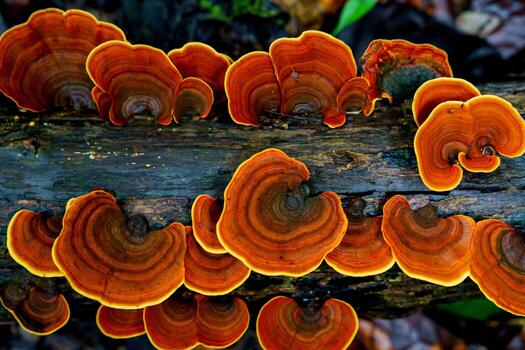
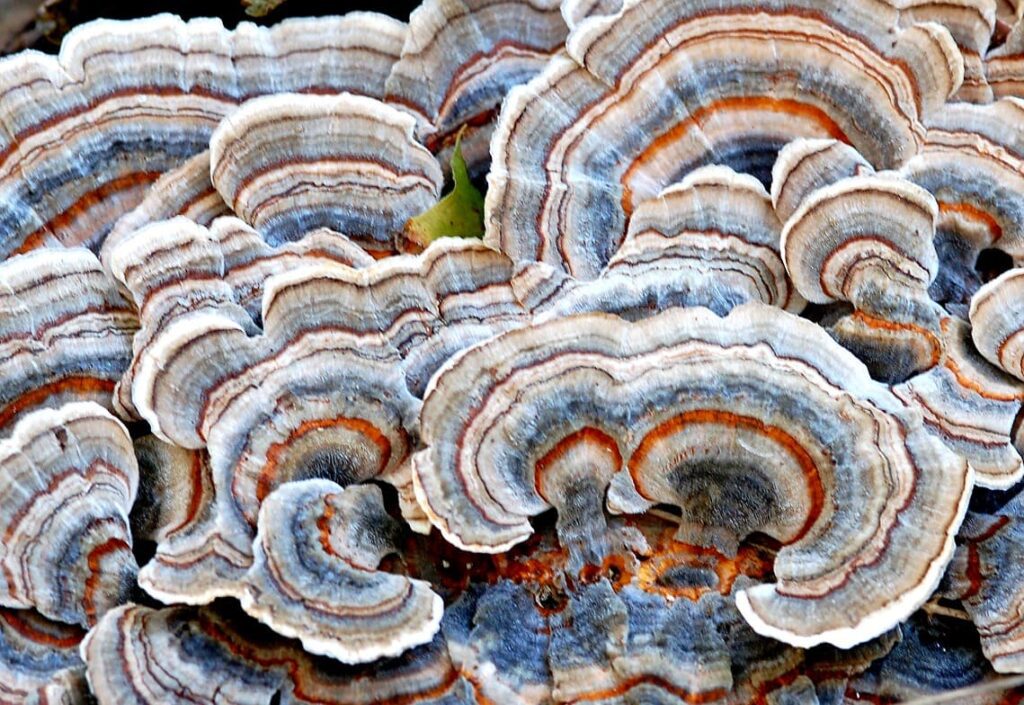
Turkey Tail (Trametes versicolor) is one of the most extensively researched medicinal mushrooms, particularly in the context of oncology and immune support. Its colourful, fan-shaped fruiting bodies – resembling a turkey’s tail feathers – are ubiquitous on dead and decaying logs worldwide, making it one of the most accessible wild medicinal mushrooms.
Turkey Tail contains several beta-glucan compounds, most notably two protein-bound polysaccharides that have been isolated and studied extensively: PSK (polysaccharide-K, also called Krestin) and PSP (polysaccharide-peptide). Both have been researched for antitumour effects and are used widely in anticancer regimens throughout Asia, particularly in Japan and China.
PSK has demonstrated benefits in clinical trials for gastric, oesophageal, colorectal, breast, and lung cancers, typically used as an adjuvant alongside conventional treatments. PSP is similarly employed across Asia as an adjunctive cancer therapy. The mechanisms appear to involve broad immunomodulatory effects, including activation of macrophages, T-lymphocytes, natural killer (NK) cells, and enhanced cytokine production.
Beyond oncology, Turkey Tail shows promise as an antiviral agent. Both PSK and PSP have been shown to inhibit HIV-1 virus in vitro, and the mushroom appears to have wide-ranging immunomodulatory effects, making it valuable in conditions of impaired immunity. Turkey Tail also demonstrates antioxidant activity, with studies showing approximately 59% inhibition of oxidation and nearly 25% free-radical scavenging ability in vitro. Its ability to mimic superoxide dismutase (SOD) may help restore NK-cell function in cancer patients.
Turkey Tail’s traditional applications included improving vitality and strength, enhancing respiratory function, promoting calm and well-being, restoring energy following exertion, strengthening tendons and bones, enhancing liver health, and promoting longevity. Modern evidence supports many of these uses, positioning Turkey Tail as a cornerstone immune-modulating mushroom.
Tremella
Tremella (Tremella fuciformis), also known as Snow Fungus or Silver Ear, is a lesser-known medicinal mushroom in Western herbal medicine but has been treasured in traditional Chinese medicine for centuries, particularly for skin health, hydration, and beauty. Its translucent, gelatinous appearance reflects its extraordinarily high polysaccharide content, which gives it unique moisture-retaining properties.
Tremella’s polysaccharides are structurally distinct from those in other medicinal mushrooms. They form a gel-like matrix capable of holding up to 500 times their weight in water, which is why Tremella has been studied for skin hydration, wound healing, and as a natural humectant. Beyond cosmetic applications, Tremella demonstrates immune-modulating, antioxidant, anti-inflammatory, and neuroprotective properties in preclinical research.
Tremella has a soft tissue structure and a long history of use in soups, stews, and everyday cooking, making it well-suited to 1:1 hot-water extraction that retains the entire mushroom matrix, including valuable fungal fibres. This preparation method preserves Tremella’s full therapeutic spectrum while making it convenient for daily use.
For more on Tremella’s traditional use and emerging science, see: Tremella.
Cordyceps
Cordyceps refers to a genus of parasitic fungi, with Cordyceps sinensis and Cordyceps militaris being the most well-known medicinal species. Wild Cordyceps sinensis, which grows on caterpillar larvae in high-altitude regions of the Tibetan plateau, is one of the most expensive natural substances in the world. Fortunately, cultivated Cordyceps militaris offers similar bioactive compounds at a fraction of the cost.
Cordyceps is traditionally associated with energy, endurance, respiratory function, and vitality. It’s been used to support physical performance, combat fatigue, enhance lung capacity, and support kidney and adrenal function. Modern research has begun to validate many of these traditional applications, with studies exploring its effects on exercise performance, oxygen utilisation, stamina, and recovery.
The key bioactive compound in Cordyceps is cordycepin (3′-deoxyadenosine), a unique nucleoside analogue with anti-inflammatory, antioxidant, and potential anticancer properties. Cordyceps also modulates cytokines and increases levels of corticosteroids, though the mechanism of action remains unclear. This may contribute to its tonifying effects in adrenal-gland support programs.
Cordyceps militaris has softer tissue structure compared to woody mushrooms like Reishi, and it has a long history of use in soups and culinary preparations. As a 1:1 hot-water extract, it retains the entire mushroom matrix while being activated through heat, preserving both soluble and insoluble bioactive fractions.
Explore the full range of Cordyceps applications here: Cordyceps Mushroom Benefits.
Shiitake
Shiitake (Lentinula edodes) is the second most cultivated mushroom in the world and one of the most widely consumed for both culinary and medicinal purposes. While it’s a kitchen staple across Asia, Shiitake also has a well-documented therapeutic profile, particularly for immune function, cardiovascular health, and cholesterol management.
Shiitake contains a unique polysaccharide called lentinan, which has been studied extensively for its immune-modulating and antitumour properties. Lentinan stimulates the regulation of interleukin-1, NK-cells, cytotoxic T-cells, and superoxide anions. It’s been approved as an adjuvant cancer therapy in Japan and has demonstrated benefits in various oncology contexts.
Beyond immune support, Shiitake affects lipid metabolism, helping to inhibit the accumulation of cholesterol in the liver and serum. It may also support healthy blood pressure and glucose regulation. Shiitake is also a rich source of ergothioneine, making it valuable for antioxidant support and cellular protection.
Shiitake’s dual role as both food and medicine makes it an excellent example of why regular mushroom consumption matters. Epidemiological research consistently shows that people who eat mushrooms regularly – even in modest amounts – have better cognitive aging outcomes and reduced risk of age-related decline. Shiitake, as a widely accessible culinary mushroom, contributes meaningfully to this protective effect.
For more detail on Shiitake’s clinical applications, visit: Shiitake Benefits.
Maitake
Maitake (Grifola frondosa), also known as Hen of the Woods, produces one of the largest fruiting bodies of any mushroom and is prized both gastronomically and medicinally. Historically, Maitake was used to lower blood pressure, support healthy blood sugar, and as part of cancer care protocols, and it’s now recognised as a true adaptogen.
Maitake’s key bioactive fraction is a beta-glucan compound called D-fraction, which has been studied for its immune-enhancing and blood sugar-regulating effects. Maitake stimulates immune regulation, including interleukin-1, NK-cells, cytotoxic T-cells, and superoxide anions. It also influences lipid metabolism, inhibiting the accumulation of fats in the liver and serum, and lowers blood glucose, reducing the insulin burden on the circulatory system.
Maitake may also support healthy blood pressure and cardiovascular function. Its metabolic effects make it particularly relevant for individuals managing blood sugar dysregulation, metabolic syndrome, or cardiovascular risk factors.
Like Shiitake, Maitake occupies a space between food and medicine. It’s delicious, widely available, and offers therapeutic benefits through regular consumption. This is part of the broader message that medicinal mushrooms don’t have to be exotic or expensive to be effective. Consistency and quality matter more than rarity.
Read more about Maitake’s metabolic and immune benefits: Maitake Mushroom Benefits.
Want to go deeper? My course Mastering Medicinal Mushrooms covers the complete clinical evidence base for these fungi and more, from biochemistry to practical prescribing guidance for practitioners and serious students alike.
Prefer a more personalised approach? I also offer one-on-one herbal medicine consultations for those looking for tailored clinical support.
Medicinal Mushrooms in Clinical Practice
As a herbalist and educator who has been working with medicinal mushrooms in Australia for decades, one of the most common questions I receive from practitioners is: “How do I actually integrate these into practice?” The answer depends on your therapeutic goals, patient population, and the type of medicine you practice, but there are some foundational principles that apply broadly for Australian practitioners and those working in integrative health worldwide.
First, medicinal mushrooms are not quick fixes. They’re not pharmaceuticals, and they don’t override physiology. They support biological processes that take time to shift. This means patient education is critical. If someone expects Lion’s Mane to work like a stimulant or Reishi to eliminate insomnia overnight, they’ll be disappointed. But if you frame these fungi as long-term structural support, as tools for building resilience and supporting healthy aging, expectations align with reality.
Second, consistency matters more than intensity. A modest daily dose taken reliably over months will outperform sporadic high doses. This is where mushroom extracts shine. While I deeply value culinary mushroom consumption and encourage patients to eat mushrooms regularly, the reality is that most people struggle to consume therapeutic amounts through food alone. A high-quality 1:1 or concentrated extract makes daily intake practical and sustainable.
Third, context matters. Medicinal mushrooms work best as part of a broader therapeutic strategy, not as isolated interventions. They support immune function, but they’re not a substitute for adequate sleep, stress management, or good nutrition. They modulate inflammation, but they won’t compensate for a pro-inflammatory diet. Position them as foundational support within a holistic framework.
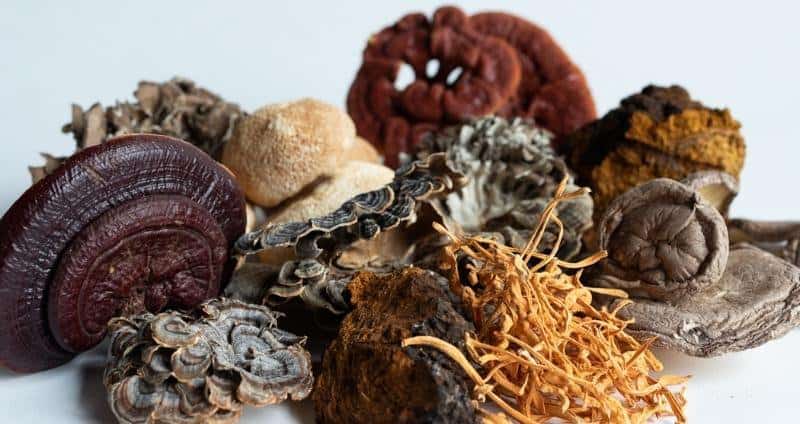
In terms of specific applications, here’s where I find medicinal mushrooms most valuable clinically:
Immune modulation and oncology support: Turkey Tail, Reishi, Maitake, and Shiitake all have robust evidence for immune enhancement and as adjuvants in cancer care. I use these extensively alongside conventional treatment, always in collaboration with the patient’s oncology team. The evidence for PSK and PSP from Turkey Tail is particularly strong, and while these isolated compounds aren’t widely available outside Asia, whole-mushroom extracts offer meaningful immune support.
Cognitive health and neuroprotection: Lion’s Mane is the clear frontrunner here, with clinical trial data supporting its use in mild cognitive impairment and emerging evidence for neurotrophic activity. I often pair it with choline-rich foods or supplements (eggs, liver, lecithin) to support acetylcholine synthesis, and with other nervine or adaptogenic herbs depending on the individual’s presentation.
Stress resilience and adrenal support: Reishi and Cordyceps are my go-to adaptogens for patients dealing with chronic stress, fatigue, or burnout. Reishi’s calming, grounding quality makes it particularly useful for individuals with wired-but-tired presentations, while Cordyceps suits those who need more sustained energy and physical stamina.
Metabolic and cardiovascular health: Maitake and Shiitake both influence lipid metabolism, blood sugar regulation, and cardiovascular function. I use these in patients managing metabolic syndrome, type 2 diabetes, or dyslipidemia, always alongside dietary and lifestyle modifications.
Antioxidant and cellular protection: Chaga, with its extraordinarily high antioxidant capacity, and any mushroom rich in ergothioneine (Lion’s Mane, Shiitake, Oyster) offers valuable cellular protection. This is particularly relevant in aging populations, individuals with high oxidative stress, or those with neurodegenerative concerns.
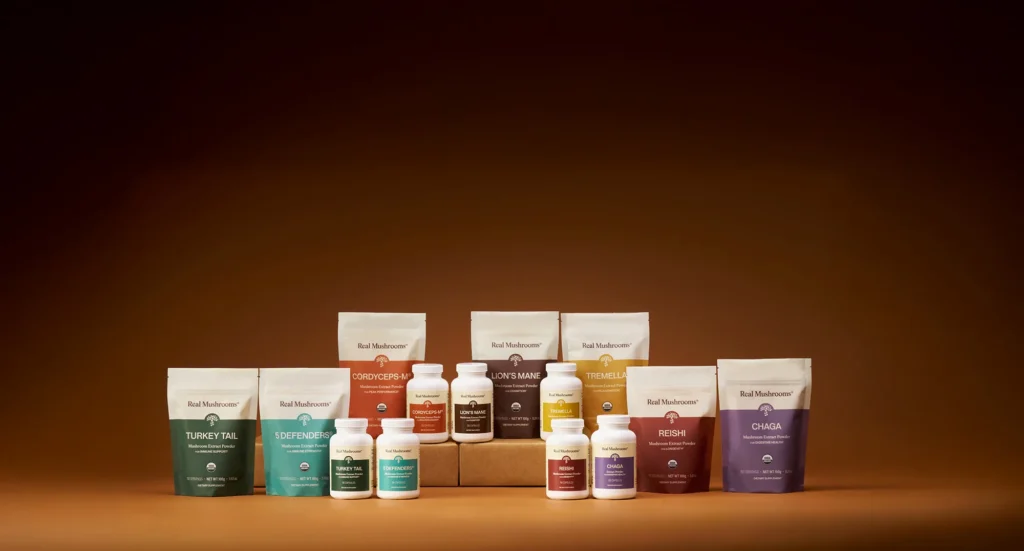
Dosing varies depending on the form and concentration of the extract. For 1:1 extracts, I typically recommend 1-2 grams daily. For concentrated extracts (8:1, 10:1, or higher), doses are proportionally lower, often 500mg to 1g daily. The key is to match the dose to the patient’s needs, the product’s potency, and what the research actually used. Many clinical trials used doses equivalent to several grams of dried mushroom daily, sustained over weeks or months.
Finally, a word on safety. Medicinal mushrooms have an excellent safety profile overall. Adverse effects are rare and usually limited to mild gastrointestinal upset in sensitive individuals. However, there are a few considerations. Mushrooms can have mild anticoagulant effects, particularly Reishi, so caution is warranted in patients on blood-thinning medications. Immune-modulating effects mean careful consideration in autoimmune conditions, though “modulation” is not the same as “stimulation” and many practitioners (myself included) use medicinal mushrooms successfully in autoimmune contexts. As always, individualise, monitor, and adjust as needed.
For Australian practitioners integrating medicinal mushrooms into clinical practice, it’s worth noting that while many high-quality products are now available domestically, understanding the source material and extraction methods remains critical regardless of where you’re practicing or where your patients are sourcing their supplements.
How to Choose Quality Medicinal Mushroom Supplements
This is where the rubber meets the road. The medicinal mushroom market – in Australia and globally – is flooded with products, and quality varies dramatically. Understanding what to look for, and what to avoid, is essential for practitioners and consumers alike.
Fruiting body vs mycelium vs mycelium-on-grain
The single most important quality distinction in medicinal mushroom supplements is the source material. Not all mushroom products are created equal, and terminology matters.
The fruiting body is the traditional part used in both culinary and medicinal contexts. It’s the mushroom itself, the reproductive structure that emerges when conditions are right. This is the material used in epidemiological studies, traditional medicine, and most clinical research.
Mycelium is the main body of the fungal organism, a network of thread-like structures that exists beneath the surface. Under controlled conditions, mycelium can be cultivated to produce specific bioactive compounds. For example, Lion’s Mane mycelium can be standardised for erinacine A, a compound with emerging evidence in cognitive health. When properly cultivated and standardised, mycelium-based products can offer therapeutic value.
However, there’s a third category that muddies the waters: mycelium-on-grain, also called myceliated grain or mycelium fermented grain (MFG). This is mycelium grown on a grain substrate (usually rice, oats, or sorghum), then dried and powdered whole, grain and all. The problem is that the final product is primarily starch from the grain, with very low levels of actual fungal biomass and beta-glucans.
Many companies market MFG products as “full spectrum” or simply as “mushroom” supplements, but they’re fundamentally different from fruiting body material. The research supporting cognitive, immune, or metabolic benefits has not been built on grain-heavy biomass formats. This isn’t just a technical detail. It’s a transparency and efficacy issue.
When choosing a product, look for clear identification of the source material on the label. “Fruiting body” or “mushroom” (when genuinely referring to the fruiting body) are what you want to see. If the label says “mycelium” without further specification, or if “myceliated grain” or “mycelium cultured on organic oats/rice” appears, that’s a red flag. The supplement facts panel should list the mushroom by its botanical name (e.g., Hericium erinaceus fruiting body), not vague terms like “mushroom blend” or “proprietary mycelium matrix.”
Extraction method: hot water, alcohol, or dual extraction
Mushrooms contain both water-soluble compounds (polysaccharides like beta-glucans) and alcohol-soluble compounds (triterpenes, sterols, and other lipophilic constituents). The extraction method determines which compounds end up in the final product.
Hot-water extraction has been used traditionally for thousands of years – think of mushroom decoctions, teas, and soups. This method effectively extracts polysaccharides, including beta-glucans, and makes them bioavailable. For mushrooms like Lion’s Mane, Cordyceps, and Tremella, hot-water extraction captures the primary therapeutic compounds.
However, for mushrooms rich in triterpenes, particularly Reishi, hot water alone isn’t sufficient. Triterpenes require alcohol or another non-polar solvent to be extracted effectively. This is why high-quality Reishi products use dual extraction: hot water for polysaccharides, alcohol for triterpenes, then the two extracts are combined. Without dual extraction, you’re missing a significant portion of Reishi’s therapeutic profile.
Some companies tout “alcohol-free” extracts as if alcohol is undesirable, but for Reishi, that’s a disadvantage, not a benefit. The alcohol is evaporated off during processing – it’s not present in the final product. What matters is whether the triterpenes were extracted in the first place.
1:1 extracts vs concentrated extracts
Not all extracts are concentrated. A 1:1 extract means that the final powder represents a 1:1 ratio of raw material to finished product. For example, 1 gram of a 1:1 extract is made from approximately 1 gram of dried mushroom. The mushroom is extracted with hot water (and alcohol if dual extracted), then the insoluble material is recombined with the soluble extract, and the whole mixture is dried and milled into a fine powder.
The advantage of a 1:1 extract is that it retains the entire mushroom matrix, including valuable fungal fibres like chitin-beta-glucan complexes. These fibres may have prebiotic potential and contribute to the “whole is greater than the sum of its parts” effect. The fine milling also increases surface area, potentially enhancing immune recognition of beta-glucans and improving digestibility compared to whole dried mushroom powder.
Concentrated extracts, on the other hand, typically have ratios like 8:1, 10:1, or higher, meaning 8-10 grams of raw mushroom are concentrated into 1 gram of extract powder. During this process, some of the insoluble fibres are removed, and the beta-glucans and other bioactive compounds are concentrated. This makes dosing more compact and convenient, and it’s useful when higher equivalent doses are needed or when capsule size must remain practical.
Neither format is inherently superior in all situations. Concentrated extracts offer convenience and higher potency per gram. 1:1 extracts offer whole-spectrum preservation and may better reflect traditional preparation methods. What matters is knowing what you’re getting and matching the format to your therapeutic goals.
Standardisation and testing
A quality medicinal mushroom supplement should be standardised and tested. At minimum, look for:
Beta-glucan content: This is the most reliable marker of fungal content and quality. Fruiting body extracts typically contain 20-40% beta-glucans or higher. Products with beta-glucan content below 15% are suspect and may contain significant grain filler. Reputable companies will clearly state beta-glucan percentage on the label or make testing certificates available.
Polysaccharide content: Some companies list “polysaccharides” instead of beta-glucans, but this is less meaningful because polysaccharides include starch from grain fillers. A product could have 50% polysaccharides but only 5% beta-glucans if it’s mostly grain. Always look for beta-glucan-specific testing.
Heavy metal and contaminant testing: Mushrooms bioaccumulate compounds from their environment, which can include heavy metals. Third-party testing for lead, cadmium, arsenic, and mercury should be standard. Microbial contamination testing (moulds, bacteria) is also essential.
Alpha-glucan content: Alpha-glucans are starches, primarily from grain. High alpha-glucan content indicates grain filler. Quality fruiting body extracts should have low alpha-glucan levels (typically under 5%), while mycelium-on-grain products may have 50% or more.
Label transparency
Finally, transparency is non-negotiable. A quality company will clearly state:
- The mushroom species (botanical name)
- The part used (fruiting body, mycelium, or both)
- The extraction method (hot water, dual extraction, etc.)
- The concentration ratio (1:1, 8:1, etc.)
- The beta-glucan percentage
- Country of origin
If a company is vague, evasive, or uses clever marketing language to obscure what’s actually in the product, that’s a red flag. If they tout “proprietary blends” without disclosure, avoid them. If they claim “therapeutic equivalence” between myceliated grain and fruiting body without evidence, be sceptical.
The medicinal mushroom supplement industry has a transparency problem, and it’s practitioners and informed consumers who must demand better. Choose companies that value evidence, quality, and honest communication over marketing hype.
Medicinal Mushrooms – What the Research Actually Says
Let’s address the elephant in the room: much of the research cited in medicinal mushroom marketing has been conducted in vitro (in test tubes) or in animal models (usually mice and rats). While this research is valuable for understanding mechanisms and generating hypotheses, it cannot be directly extrapolated to human use. There are significant differences in biochemical, physiological, and anatomical characteristics between animal models and humans.
The number of well-designed human clinical trials for medicinal mushrooms is growing, but it remains relatively small and variable. Many studies have limitations: small sample sizes, lack of replication, inconsistent mushroom preparations, poor study design, and problematic statistical methods. This doesn’t mean the research is worthless, but it does mean we need to interpret it carefully and honestly.
For some mushrooms, the clinical evidence is robust. Turkey Tail’s PSK and PSP have been studied extensively in human oncology trials, with benefits demonstrated in gastric, oesophageal, colorectal, breast, and lung cancers. These are not fringe studies – PSK is an approved adjuvant cancer therapy in Japan, backed by decades of research.
Lion’s Mane has human trial data supporting its use in mild cognitive impairment, with one well-cited study showing improvements in cognitive function over 16 weeks in older adults with subjective cognitive decline. However, the study was small, and replication is needed. Other trials have explored Lion’s Mane’s effects on mood, anxiety, and sleep quality, with mixed but generally positive results.
Reishi has clinical trial data for immune function, quality of life in cancer patients, and cardiovascular markers, though again, study quality and size vary. Maitake has been studied for blood sugar regulation and immune support in diabetic and cancer populations. Cordyceps has been explored for exercise performance, fatigue, and respiratory function.
But here’s what’s important: the most consistent and compelling evidence for mushrooms and human health doesn’t come from isolated clinical trials of single species. It comes from epidemiology – large population studies showing that people who regularly consume mushrooms have better health outcomes.
Research consistently demonstrates that regular mushroom consumption is associated with reduced risk of cognitive decline, better cognitive aging, lower cancer risk, and improved overall longevity. Even modest intake – as little as one or two servings per week in some studies – shows protective effects. This signal is robust, reproducible, and biologically plausible given what we know about mushroom bioactives.
This is why I emphasise consistency over intensity. You don’t need heroic doses of exotic mushrooms to benefit. You need regular, sustained intake of quality mushroom material over time. Whether that comes from food, supplements, or a combination doesn’t matter as much as the habit itself.
The other critical point is that mushrooms are complex biological matrices, not single-molecule drugs. Isolating one compound – whether it’s a beta-glucan, a triterpene, or erinacine A – and studying it in isolation doesn’t capture the full picture. Synergy matters. Different constituents work through different mechanisms, and the whole mushroom is often greater than the sum of its parts.
This is why I’m cautious about overly reductionist approaches that market mushrooms based on single “active ingredients.” Yes, we can identify key compounds and study their mechanisms, and that’s valuable. But reducing Lion’s Mane to “the NGF mushroom” or Reishi to “triterpenes for sleep” misses the broader therapeutic value of the whole organism.
So what does the research actually say? It says that medicinal mushrooms have genuine, measurable biological activity. It says that certain species and preparations have clinical evidence supporting specific uses. It says that long-term mushroom consumption appears protective across multiple health domains. And it says we need more research – larger trials, better standardisation, longer follow-up periods – to fully understand and optimise their therapeutic potential.
In the meantime, we work with what we have: traditional knowledge, mechanistic understanding, preclinical evidence, emerging clinical data, and epidemiological signals. That’s enough to justify thoughtful, evidence-informed use, as long as we’re honest about the limits of current knowledge and avoid overclaiming.
Frequently Asked Questions About Medicinal Mushrooms
What are medicinal mushrooms, and how are they different from regular mushrooms?
Medicinal mushrooms are fungi that contain specific bioactive compounds – polysaccharides, triterpenes, sterols, and unique antioxidants – that interact with human physiology in measurable ways beyond basic nutrition. While all mushrooms offer some nutritional value, medicinal mushrooms like Reishi, Lion’s Mane, Turkey Tail, and Chaga have been used therapeutically for centuries and are now supported by scientific research demonstrating immune-modulating, anti-inflammatory, antioxidant, and other health-promoting effects. The distinction isn’t absolute – even culinary mushrooms like Shiitake and Maitake have medicinal properties – but medicinal mushrooms are specifically cultivated, prepared, and consumed for therapeutic benefit rather than taste alone.
Are medicinal mushroom supplements safe?
Yes, medicinal mushrooms have an excellent safety profile overall. Adverse effects are rare and typically limited to mild digestive upset in sensitive individuals. However, there are some considerations. Mushrooms like Reishi can have mild anticoagulant effects, so caution is warranted if you’re taking blood-thinning medications. Because mushrooms modulate immune function, discuss use with your healthcare provider if you have an autoimmune condition or are on immunosuppressant medications. Pregnant and breastfeeding women should consult a qualified practitioner before use, as safety data in these populations is limited. Quality also matters for safety – choose products that are third-party tested for heavy metals and contaminants, as mushrooms can bioaccumulate compounds from their growing environment.
How long does it take for medicinal mushrooms to work?
This depends on what you’re using them for and what “work” means. Medicinal mushrooms are not stimulants or quick fixes – they support biological processes that shift gradually over time. Some people report subtle improvements in energy, focus, or sleep quality within days to weeks, but structural benefits typically accumulate over months. For cognitive support with Lion’s Mane, clinical trials showed measurable benefits after 8-16 weeks of consistent use. For immune modulation or metabolic effects, think in terms of 4-12 weeks minimum. The key is consistency: daily intake over extended periods is where the real value lies, much like the epidemiological research showing that regular mushroom consumption over years is associated with better aging outcomes.
What’s the difference between mushroom powder and mushroom extract?
Mushroom powder is simply dried mushroom ground into powder form. It contains the whole mushroom, including fibre and cell wall material, but much of the bioactive content may not be fully accessible because humans don’t efficiently break down intact fungal cell walls. Mushroom extracts, on the other hand, use hot water, alcohol, or both to liberate bioactive compounds from the mushroom’s structure. A 1:1 extract recombines the soluble and insoluble fractions after extraction, preserving the whole mushroom matrix while increasing bioavailability. Concentrated extracts (8:1, 10:1, etc.) remove some fibre and concentrate the active compounds for more potent, compact dosing. Extracts generally offer better absorption and more predictable therapeutic effects than unprocessed powder.
Can I just eat regular mushrooms instead of taking supplements?
Absolutely, and I encourage it. Regular culinary mushroom consumption is associated with significant health benefits in epidemiological research, including reduced cognitive decline and lower disease risk. Mushrooms like Shiitake, Maitake, Oyster, and even common white button mushrooms contain beta-glucans, ergothioneine, and other beneficial compounds. Eating a variety of mushrooms regularly – whether fresh, dried, or cooked – is a valuable foundational practice. However, reaching therapeutic doses through food alone can be challenging. One gram of a 1:1 mushroom extract represents approximately 10 grams of fresh mushroom, which means daily supplementation can provide consistent intake levels difficult to achieve through diet alone. The ideal approach combines regular culinary mushroom consumption with targeted supplementation when specific therapeutic goals are present.
Which medicinal mushroom is best for immune support?
This is one of the most common questions I receive from both practitioners and patients in Australia and beyond, and the honest answer is: several species support immune function through overlapping but distinct mechanisms. Turkey Tail, Reishi, Shiitake, and Maitake all have robust research supporting immune modulation. Turkey Tail’s PSK and PSP compounds are among the most studied immune-active mushroom constituents, particularly in oncology contexts. Reishi offers both polysaccharide-mediated immune enhancement and triterpene-based anti-inflammatory effects. Shiitake’s lentinan is a well-documented immune modulator. Maitake’s D-fraction supports immune cell activity and regulation. Rather than seeking a single “best” mushroom, consider combination formulas that provide multiple species, or rotate between individual mushrooms over time. The synergy between different mushroom beta-glucans and secondary metabolites may offer broader benefit than any single species alone.
Learn More – Medicinal Mushroom Courses & Education
If this guide has sparked your interest in medicinal mushrooms – whether you’re a practitioner looking to deepen your clinical knowledge or a serious student wanting to understand these fungi at a mechanistic level – I invite you to explore my comprehensive course, Mastering Medicinal Mushrooms.
This course goes well beyond introductory material. We cover the complete clinical evidence base for major medicinal mushroom species, from detailed biochemistry and pharmacology to practical prescribing guidance. You’ll learn how to critically evaluate research, distinguish quality products from marketing hype, understand extraction methods and standardisation, and confidently integrate medicinal mushrooms into therapeutic protocols. It’s designed for health practitioners, herbalists, naturopaths, nutritionists, and anyone committed to evidence-based natural medicine.
The course reflects decades of my own clinical experience, academic research, and ongoing engagement with the evolving science of mycotherapy. It’s the education I wish I’d had when I first began working with these remarkable organisms.
For those seeking individualised support rather than self-study, I also offer one-on-one herbal medicine consultations. Whether you’re dealing with specific health concerns, looking to optimise your wellness strategy, or need guidance on integrating medicinal mushrooms into your existing regimen, personalised consultations provide tailored clinical support based on your unique needs and context.
Medicinal mushrooms represent a profound intersection of traditional wisdom and modern science. They remind us that some of the most sophisticated medicines don’t come from laboratories – they come from forests, from decaying logs, from the patient, intelligent networks of fungal mycelium that have been supporting ecosystems for millions of years. Our task is simply to learn their language, respect their complexity, and use them wisely.
Disclaimer: This article is for educational purposes only and does not constitute medical advice. Please consult a qualified healthcare practitioner before beginning any new supplement or treatment protocol.
References
Beta-Glucans and Immune Modulation
Brown, G. D., & Gordon, S. (2001). A new receptor for β-glucans. Nature, 413(6851), 36–37. https://doi.org/10.1038/35092620
Du, B., Bian, Z., & Xu, B. (2014). Skin health promotion effects of natural beta-glucan derived from cereals and microorganisms: A review. Phytotherapy Research, 28(2), 159–166. https://doi.org/10.1002/ptr.4963
Goodridge, H. S., Reyes, C. N., Becker, C. A., Katsumoto, T. R., Ma, J., Wolf, A. J., Bose, N., Chan, A. S., Magee, A. S., Danielson, M. E., Dalgleish, A., Harnack, U., Schwaiger, S., & Underhill, D. M. (2011). Activation of the innate immune receptor Dectin-1 upon formation of a ‘phagocytic synapse’. Nature, 472(7344), 471–475. https://doi.org/10.1038/nature10071
Stier, H., Ebbeskotte, V., & Gruenwald, J. (2014). Immune-modulatory effects of dietary yeast beta-1,3/1,6-D-glucan. Nutrition Journal, 13, 38. https://doi.org/10.1186/1475-2891-13-38
Taylor, P. R., Tsoni, S. V., Willment, J. A., Dennehy, K. M., Rosas, M., Findon, H., Haynes, K., Steele, C., Botto, M., Gordon, S., & Brown, G. D. (2007). Dectin-1 is required for β-glucan recognition and control of fungal infection. Nature Immunology, 8, 31–38. https://doi.org/10.1038/ni1408
Vetvicka, V., & Vetvickova, J. (2018). Glucan supplementation enhances the immune response against an influenza challenge in mice. Annals of Translational Medicine, 6(2), 13. https://doi.org/10.21037/atm.2018.01.03
Zhang, M., Cui, S. W., Cheung, P. C. K., & Wang, Q. (2007). Antitumor polysaccharides from mushrooms: A review on their isolation process, structural characteristics and antitumor activity. Trends in Food Science & Technology, 18(1), 4–19. https://doi.org/10.1016/j.tifs.2006.07.013
Ergothioneine
Cheah, I. K., Feng, L., Tang, R. M. Y., Lim, K. H. C., & Halliwell, B. (2016). Ergothioneine levels in an elderly population decrease with age and incidence of cognitive decline; a risk factor for neurodegeneration? Biochemical and Biophysical Research Communications, 478(1), 162–167. https://doi.org/10.1016/j.bbrc.2016.07.074
Cheah, I. K., & Halliwell, B. (2012). Ergothioneine; antioxidant potential, physiological function and role in disease. Biochimica et Biophysica Acta (BBA) – Molecular Basis of Disease, 1822(5), 784–793. https://doi.org/10.1016/j.bbadis.2011.09.017
Cheah, I. K., Ng, L. T., Ng, L. F., Lam, V. Y., Gruber, J., Huang, C. Y. W., Goh, F. Q., Lim, K. H. C., & Halliwell, B. (2019). Inhibition of amyloid-induced toxicity by ergothioneine in a transgenic Caenorhabditis elegans model. FEBS Letters, 593(16), 2139–2150. https://doi.org/10.1002/1873-3468.13497
Gründemann, D., Harlfinger, S., Golz, S., Geerts, A., Lazar, A., Berkels, R., Jung, N., Rubbert, A., & Schömig, E. (2005). Discovery of the ergothioneine transporter. Proceedings of the National Academy of Sciences, 102(14), 5256–5261. https://doi.org/10.1073/pnas.0408624102
Ishimoto, T., Yamashita, R., Matsumoto, R., Matsumoto, S., Matsuo, Y., Nakao, S., Masuo, Y., Suzuki, M., & Kato, Y. (2024). TrkB phosphorylation in serum extracellular vesicles correlates with cognitive function enhanced by ergothioneine in humans. NPJ Science of Food, 8, 11. https://doi.org/10.1038/s41538-024-00250-5
Katsube, M., Ishimoto, T., Fukushima, Y., Kagami, A., Shuto, T., & Kato, Y. (2024). Ergothioneine promotes longevity and healthy aging in male mice. GeroScience, 46(4), 3889–3909. https://doi.org/10.1007/s11357-024-01111-5
Wu, L.-Y., Kan, C. N., Cheah, I. K., Chong, J. R., Xu, X., Vrooman, H., Hilal, S., Venketasubramanian, N., Chen, C. P., & Lai, M. K. P. (2022). Low plasma ergothioneine predicts cognitive and functional decline in an elderly cohort attending memory clinics. Antioxidants, 11(9), 1717. https://doi.org/10.3390/antiox11091717
Lion’s Mane (Hericium erinaceus)
Lai, P. L., Naidu, M., Sabaratnam, V., Wong, K. H., David, R. P., Kuppusamy, U. R., Abdullah, N., & Malek, S. N. A. (2013). Neurotrophic properties of the Lion’s mane medicinal mushroom, Hericium erinaceus (Higher Basidiomycetes) from Malaysia. International Journal of Medicinal Mushrooms, 15(6), 539–554. https://doi.org/10.1615/IntJMedMushr.v15.i6.30
Li, I.-C., Chang, H.-H., Lin, C.-H., Chen, W.-P., Lu, T.-H., Lee, L.-Y., Chen, Y.-W., Chen, Y.-P., Chen, C.-C., & Lin, D. P.-C. (2020). Prevention of early Alzheimer’s disease by erinacine A-enriched Hericium erinaceus mycelia pilot double-blind placebo-controlled study. Frontiers in Aging Neuroscience, 12, 155. https://doi.org/10.3389/fnagi.2020.00155
Ma, B.-J., Shen, J.-W., Yu, H.-Y., Ruan, Y., Wu, T.-T., & Zhao, X. (2010). Hericenones and erinacines: Stimulators of nerve growth factor (NGF) biosynthesis in Hericium erinaceus. Mycology, 1(2), 92–98. https://doi.org/10.1080/21501201003735556
Mori, K., Inatomi, S., Ouchi, K., Azumi, Y., & Tuchida, T. (2009). Improving effects of the mushroom Yamabushitake (Hericium erinaceus) on mild cognitive impairment: A double-blind placebo-controlled clinical trial. Phytotherapy Research, 23(3), 367–372. https://doi.org/10.1002/ptr.2634
Saitsu, Y., Nishide, A., Kikushima, K., Shimizu, K., & Ohnuki, K. (2019). Improvement of cognitive functions by oral intake of Hericium erinaceus. Biomedical Research, 40(4), 125–131. https://doi.org/10.2220/biomedres.40.125
Reishi (Ganoderma lucidum)
Ahmad, R., Riaz, M., Khan, A., Aljamea, A., Algheryafi, M., Sewaket, D., & Alqathama, A. (2021). Ganoderma lucidum (Reishi) an edible mushroom; a comprehensive and critical review of its nutritional, cosmeceutical, mycochemical, pharmacological, clinical, and toxicological properties. Phytotherapy Research, 35(11), 6030–6062. https://doi.org/10.1002/ptr.7215
Batra, P., Sharma, A. K., & Khajuria, R. (2013). Probing Lingzhi or Reishi medicinal mushroom Ganoderma lucidum (Higher Basidiomycetes): A bitter mushroom with amazing health benefits. International Journal of Medicinal Mushrooms, 15(2), 127–143. https://doi.org/10.1615/IntJMedMushr.v15.i2.20
Chen, S. N., Nan, F. H., Yang, M. F., Chang, Y. C., Chen, S., & Liu, M. W. (2023). Evaluation of immune modulation by β-1,3; 1,6 D-glucan derived from Ganoderma lucidum in healthy adult volunteers, a randomized controlled trial. Nutrients, 15(4), 837. https://doi.org/10.3390/nu15040837
Cor, D., Knez, Z., & Knez Hrncic, M. (2018). Antitumour, antimicrobial, antioxidant and antiacetylcholinesterase effect of Ganoderma lucidum terpenoids and polysaccharides: A review. Molecules, 23(3), 649. https://doi.org/10.3390/molecules23030649
Thuy, T. T. T., Cuong, T. D., Tung, B. T., Thien, L. M., & Dang, N. H. (2023). Pharmacological activities and safety of Ganoderma lucidum spores. Cureus, 15(9), e44574. https://doi.org/10.7759/cureus.44574
Wang, P.-Y., Zhu, X.-L., & Lin, Z.-B. (2012). Antitumor and immunomodulatory effects of polysaccharides from broken-spore of Ganoderma lucidum. Frontiers in Pharmacology, 3, 135. https://doi.org/10.3389/fphar.2012.00135
Turkey Tail (Trametes versicolor)
Habtemariam, S. (2020). Trametes versicolor (Synn. Coriolus versicolor) polysaccharides in cancer therapy: Targets and efficacy. Biomedicines, 8(5), 135. https://doi.org/10.3390/biomedicines8050135
Ohwada, S., Ikeya, T., Yokomori, T., Kusaba, T., Roppongi, T., Takahashi, T., Nakamura, S., Kakinuma, S., Iwazaki, S., Ishikawa, H., Kawate, S., Nakajima, T., & Morishita, Y. (2004). Adjuvant immunochemotherapy with oral Tegafur/Uracil plus PSK in patients with stage II or III colorectal cancer: A randomised controlled study. British Journal of Cancer, 90(5), 1003–1010. https://doi.org/10.1038/sj.bjc.6601619
Saleh, M. H., Rashedi, I., & Keating, A. (2017). Immunomodulatory properties of Coriolus versicolor: The role of polysaccharopeptide. Frontiers in Immunology, 8, 1087. https://doi.org/10.3389/fimmu.2017.01087
Torkelson, C. J., Sweet, E., Martzen, M. R., Page, M., Watchravesringkan, S., Quintana, R., Gullikson, M. L., Pfeiffer, J., & Standish, L. J. (2012). Phase 1 clinical trial of Trametes versicolor in women with breast cancer. ISRN Oncology, 2012, 251632. https://doi.org/10.5402/2012/251632
Chaga (Inonotus obliquus)
Balandaykin, M. E., & Zmitrovich, I. V. (2015). Review on chaga medicinal mushroom, Inonotus obliquus (Higher Basidiomycetes): Realm of medicinal applications and approaches on estimating its resource potential. International Journal of Medicinal Mushrooms, 17(2), 95–104. https://doi.org/10.1615/IntJMedMushrooms.v17.i2.10
Ern, P. T. Y., Yin, Q. T., Shin, Y. F., & Yin, A. C. Y. (2024). Therapeutic properties of Inonotus obliquus (Chaga mushroom): A review. Mycology, 15(2), 144–161. https://doi.org/10.1080/21501203.2024.2321586
Manful, C. F., Hameed, A., Vidal, N. P., Pham, T. H., Nadeem, M., Cheema, M., Cuss, C. W., & Thomas, R. H. (2023). Chaga mushroom: A super-fungus with countless facets and untapped potential. Frontiers in Pharmacology, 14, 1273786. https://doi.org/10.3389/fphar.2023.1273786
Cordyceps
Cheng, C., Zhang, S., Li, Y., Wang, L., & Liu, X. (2025). Cordycepin combined with antioxidant effects improves fatigue caused by excessive exercise. Scientific Reports, 15, 8141. https://doi.org/10.1038/s41598-025-92790-3
Hirsch, K. R., Smith-Ryan, A. E., Roelofs, E. J., Trexler, E. T., & Mock, M. G. (2017). Cordyceps militaris improves tolerance to high-intensity exercise after acute and chronic supplementation. Journal of Dietary Supplements, 14(1), 42–53. https://doi.org/10.1080/19390211.2016.1203386
Park, J. G., Son, Y. J., Lee, T. H., Baek, N. J., Yoon, D. H., Kim, T. W., Aravinthan, A., Hong, S., Kim, J. H., & Kim, E. (2020). Beneficial effect of Cordyceps militaris on exercise performance via promoting cellular energy production. Mycobiology, 48(6), 512–517. https://doi.org/10.1080/12298093.2020.1831135
Shiitake (Lentinula edodes) and Maitake (Grifola frondosa)
Chen, Y., Gu, J., Li, D., & Li, S. (2019). A cold-water soluble polysaccharide from Grifola frondosa induces the apoptosis of HepG2 cells. International Journal of Biological Macromolecules, 126, 427–435. https://doi.org/10.1016/j.ijbiomac.2018.12.214
Dai, X., Stanilka, J. M., Rowe, C. A., Esteves, E. A., Nieves, C., Jr., Spaiser, S. J., Christman, M. C., Langkamp-Henken, B., & Percival, S. S. (2015). Consuming Lentinula edodes (Shiitake) mushrooms daily improves human immunity: A randomized dietary intervention in healthy young adults. Journal of the American College of Nutrition, 34(6), 478–487. https://doi.org/10.1080/07315724.2014.950391
Vetvicka, V., & Vetvickova, J. (2014). Immune-enhancing effects of Maitake (Grifola frondosa) and Shiitake (Lentinula edodes) extracts. Annals of Translational Medicine, 2(2), 14. https://doi.org/10.3978/j.issn.2305-5839.2014.01.05
Mushroom Consumption and Cognitive Health
Aoki, S., Yamagishi, K., Maruyama, K., Ikeda, A., Nagao, M., Noda, H., Umesawa, M., Hayama-Terada, M., Muraki, I., Okada, C., Tanaka, M., Kishida, R., Kihara, T., Ohira, T., Iso, H., & CIRCS Investigators. (2024). Mushroom intake and risk of incident disabling dementia: The Circulatory Risk in Communities Study (CIRCS). British Journal of Nutrition, 131(9), 1641–1647. https://doi.org/10.1017/S000711452400014X
Ba, D. M., Gao, X., Al-Shaar, L., Muscat, J., Chinchilli, V., Zhang, X., Ssentongo, P., Beelman, R. B., & Richie, J. P., Jr. (2022). Mushroom intake and cognitive performance among US older adults: The National Health and Nutrition Examination Survey, 2011–2014. British Journal of Nutrition, 128(11), 2241–2248. https://doi.org/10.1017/S0007114521005195
Feng, L., Cheah, I. K., Ng, M. M., Li, J., Chan, S. M., Lim, S. L., Mahendran, R., Kua, E. H., & Halliwell, B. (2019). The association between mushroom consumption and mild cognitive impairment: A community-based cross-sectional study in Singapore. Journal of Alzheimer’s Disease, 68(1), 197–203. https://doi.org/10.3233/JAD-180959
Zhang, S., Tomata, Y., Sugiyama, K., Sugawara, Y., & Tsuji, I. (2017). Mushroom consumption and incident dementia in elderly Japanese: The Ohsaki Cohort 2006 Study. Journal of the American Geriatrics Society, 65(7), 1462–1469. https://doi.org/10.1111/jgs.14812